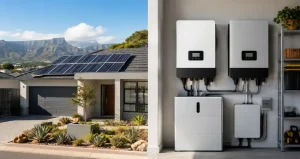
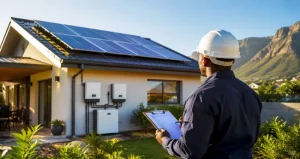
South African homeowners are increasingly looking for reliable solar solutions that can reduce dependence on the national grid, protect against power interruptions, and provide better control over household electricity costs. Among the different solar system sizes available, an 8kW solar kit has become a popular choice for medium to large homes because it offers a practical balance between power capacity, battery storage options, and long-term value.
Choosing the right 8kW solar kit is not only about buying a powerful inverter and a set of solar panels. A successful installation depends on understanding household energy usage, South Africa’s climate conditions, battery requirements, inverter quality, installation standards, and future expansion possibilities.
This guide provides a detailed review of what makes an 8kW solar system suitable for South African homes and what homeowners should consider before investing.
What Is An 8kW Solar Kit?
An 8kW solar kit is a complete solar power system designed to produce up to 8 kilowatts of electricity at peak performance. It usually includes solar panels, a hybrid inverter, mounting equipment, protection devices, monitoring systems, and optional battery storage. The actual energy production depends on factors such as sunlight availability, roof direction, panel efficiency, weather conditions, and system design.
For many South African households, an 8kW system is large enough to support daily appliances such as refrigerators, lighting, televisions, computers, pumps, security systems, and selected high-consumption devices. When combined with suitable battery storage, it can also provide backup power during electricity interruptions.
Why An 8kW Solar System Is Popular In South Africa?
South Africa receives strong solar radiation in many regions, making solar energy a practical investment for residential properties. An 8kW solar kit can take advantage of this natural resource while helping households reduce electricity costs over time. It is particularly suitable for families with higher energy consumption who want more independence from traditional electricity supply.
Another reason for its popularity is flexibility. Homeowners can start with solar panels and a hybrid inverter, then add more battery capacity later. This allows the system to adapt as energy needs change without requiring a complete replacement.
Key Components Of A Quality 8kW Solar Kit
High-Efficiency Solar Panels
Solar panels are the foundation of any solar system. For South African homes, durable panels with strong performance in high temperatures are important because summer heat can affect efficiency. Modern monocrystalline panels are commonly preferred because they provide good energy output while using less roof space.
Reliable Hybrid Inverter
The inverter is one of the most important parts of an 8kW solar system. A quality hybrid inverter manages electricity from solar panels, batteries, and the grid. It allows homeowners to store excess solar energy and use it when solar production is low.
Battery Storage System
Although batteries are not always included in basic solar packages, they are becoming essential for South African households that want backup power. Lithium batteries are generally preferred because they offer longer lifespan, faster charging, and better efficiency compared with older battery technologies.
How Much Power Can An 8kW Solar Kit Generate?
The electricity production of an 8kW solar system varies depending on location and installation quality. In many parts of South Africa, a well-designed system can generate a significant amount of daily energy, especially during sunny months. However, production naturally decreases during cloudy weather and winter periods.
A professional assessment should consider the household’s average electricity consumption rather than focusing only on system size. A larger system does not automatically mean better savings if the home cannot use or store the generated energy efficiently.
Appliances An 8kW Solar System Can Support
An 8kW solar kit can typically support many common household requirements. These may include lighting, entertainment devices, internet equipment, kitchen appliances, washing machines, water pumps, and home office equipment. With the correct inverter and battery setup, it can also support higher-demand appliances for limited periods.
Large appliances such as electric geysers, swimming pool pumps, air conditioners, and electric heating systems require careful planning because they can significantly increase energy demand. A professional installer can help determine whether additional panels or battery storage are needed.
Important Factors Before Buying An 8kW Solar Kit In South Africa
Before purchasing an 8kW solar system, homeowners should review their electricity bills and understand their daily consumption patterns. This helps determine whether the system size matches their actual needs. Installing a solar system without proper planning can lead to unnecessary expenses or insufficient backup power.
Roof condition, available installation space, shading from trees or buildings, and local weather patterns should also be considered. A solar investment works best when the system is designed specifically for the property rather than using a standard package without evaluation.
Installation Quality And Maintenance Requirements
A high-quality solar kit can only perform well when installed correctly. Professional installation includes proper panel positioning, secure mounting, correct electrical connections, and safety protection. Poor installation can reduce efficiency and create avoidable technical problems.
Maintenance requirements for modern solar systems are relatively low. Regular panel cleaning, checking system performance through monitoring software, and occasional professional inspections can help maintain reliable operation for many years.
Cost Considerations For An 8kW Solar Kit
The cost of an 8kW solar kit in South Africa depends on several factors, including panel brand, inverter quality, battery size, installation complexity, and additional electrical requirements. A system with premium components usually has a higher initial cost but may provide better reliability and longer service life.
Homeowners should compare complete system value rather than choosing the cheapest available option. Warranty support, installer experience, equipment quality, and after-sales service are important parts of a long-term solar investment.
Frequently Asked Questions About 8kW Solar Kits
1. Is an 8kW solar system enough for an average South African home?
An 8kW solar system can be suitable for many medium to large South African homes, especially those with moderate to high electricity usage. However, the correct size depends on household consumption, appliance usage, and backup requirements. A professional energy assessment provides the most accurate recommendation.
2. How many solar panels are needed for an 8kW solar kit?
The number of panels depends on the wattage of individual panels used in the system. Modern solar panels have different power ratings, so an 8kW system may use different panel quantities depending on the selected equipment. The important factor is achieving the required total solar capacity.
3. Can an 8kW solar system run a house during power outages?
Yes, an 8kW solar system can provide backup power when combined with an appropriate battery and hybrid inverter. The backup duration depends on battery capacity and the amount of electricity being used during the outage.
4. Does an 8kW solar kit work during cloudy weather?
Solar panels can still produce electricity during cloudy conditions, but production is usually lower compared with bright sunny days. A properly sized battery system can help maintain power availability when solar generation decreases.
5. How long does an 8kW solar system last?
Most quality solar components are designed for long-term operation. Solar panels commonly have warranties covering many years of performance, while inverter and battery lifespans depend on technology, usage, and maintenance practices.
6. Should I choose an 8kW solar kit with batteries?
For homeowners who want backup electricity and greater energy independence, adding batteries is often beneficial. Those mainly focused on reducing daytime electricity consumption may choose a system without batteries and upgrade later.
7. Can an 8kW solar system increase my property value?
A professionally installed solar system can make a property more attractive because energy efficiency and backup power are valuable features for many buyers. The impact depends on the quality of the installation and local property market conditions.
8. What type of inverter is recommended for an 8kW home solar system?
A hybrid inverter is often a practical choice because it can manage solar production, battery storage, and grid electricity. The ideal inverter depends on the homeowner’s energy goals, battery plans, and future expansion needs.
9. How can I maintain my 8kW solar kit?
Maintenance usually involves keeping panels clean, monitoring system performance, checking warning notifications, and arranging professional inspections when necessary. Regular attention helps maintain efficiency and identify problems early.
10. What should I check before buying an 8kW solar kit in South Africa?
Before buying, review equipment quality, installer reputation, warranties, system design, battery options, and expected energy production. A detailed quotation should clearly explain all components included in the installation.
Conclusion
An 8kW solar kit can be an excellent energy solution for many South African homes when it is correctly designed and installed. The right combination of efficient solar panels, a reliable inverter, suitable battery storage, and professional installation can provide long-term energy savings and greater electricity independence.
Instead of choosing a system based only on size or price, homeowners should focus on quality, performance, and how well the system matches their daily energy needs.