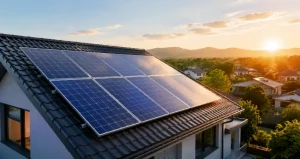
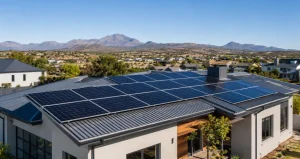
South Africa’s growing demand for solar energy has made residential and commercial solar systems more accessible than ever before. With rising electricity costs, load shedding concerns, and increased awareness of renewable energy, many homeowners and businesses are investing in solar panels, battery storage, and backup power solutions. However, choosing the right solar installer is one of the most important decisions in the entire process.
A solar system is a long-term investment that requires proper planning, technical knowledge, and quality installation. While many companies offer solar installation services in South Africa, not every installer follows the same standards. Selecting a certified and experienced professional can help ensure your system performs safely, efficiently, and reliably for many years.
This guide explains how to choose a certified solar installer in South Africa, what qualifications to check, which questions to ask, and how to avoid common installation mistakes. The goal is to help homeowners and businesses make an informed decision based on quality, experience, and industry standards.
Why Choosing A Certified Solar Installer Matters In South Africa?
A solar installation involves much more than placing panels on a roof. A professional installer must understand electrical regulations, system design, safety requirements, solar equipment compatibility, and local conditions. Poor installation can reduce energy production, create safety risks, and lead to expensive repairs in the future.
Certified solar installers usually follow recognised industry practices and have proper training in photovoltaic (PV) systems. They understand how to calculate energy requirements, select suitable equipment, and install systems according to South African electrical standards.
From practical experience in the renewable energy industry, one of the biggest differences between professional and inexperienced installers is attention to detail. A quality installer focuses not only on installation speed but also on system performance, safety checks, documentation, and long-term customer support.
Check Solar Installer Certifications And Qualifications
Before hiring a solar company, always verify their qualifications and certifications. In South Africa, reputable installers commonly have accreditation or training from recognised renewable energy organisations and manufacturers.
One important qualification to look for is registration with the Electrical Contracting Board of South Africa (ECB) or compliance with relevant electrical regulations. Solar installations involve electrical work, meaning installers must understand safety requirements and legal standards.
You should also check whether the company has experience working with certified solar equipment brands. Many leading manufacturers provide installer training programmes to ensure their products are installed correctly.
Look For Experience With Similar Solar Projects
Experience is one of the strongest indicators of a reliable solar installer. A company that has completed many successful installations will usually have better knowledge of system design, local challenges, and troubleshooting.
Ask potential installers about previous projects similar to yours. A residential homeowner may require a different solution compared to a commercial building, farm, or industrial property. The installer should be able to explain how they have handled projects with similar energy needs.
Reviewing completed installations, customer feedback, and references can provide valuable insight into the company’s workmanship. A professional installer should be comfortable sharing examples of previous projects and explaining their approach.
Evaluate The Quality Of Solar Equipment They Recommend
A certified solar installer should not only focus on installation but also recommend suitable equipment based on your energy requirements. The cheapest equipment option is not always the best long-term choice.
Important components include solar panels, inverters, batteries, mounting structures, and monitoring systems. Each component affects the overall performance and reliability of the solar system.
A trustworthy installer will explain why specific products are recommended and provide information about warranties, expected lifespan, efficiency ratings, and maintenance requirements.
Request A Detailed Solar Installation Quote
A professional solar installer should provide a clear and detailed quotation before starting any work. The quote should include equipment specifications, installation costs, expected system capacity, warranties, and any additional services.
Be cautious of quotes that only provide a total price without explaining what is included. A transparent quotation helps you compare different installers and understand the value behind the investment.
A good installer will also conduct a site assessment before preparing the final proposal. Factors such as roof direction, shading, electricity usage patterns, and available space affect the design of a solar system.
Confirm Compliance With South African Electrical Standards
Solar systems must comply with South African electrical safety regulations. A properly installed system should include appropriate protection devices, correct wiring methods, and safe connections.
After installation, the installer should provide relevant documentation, including an electrical Certificate of Compliance (CoC) where required. This documentation confirms that the electrical work has been inspected and meets safety requirements.
Compliance is especially important when connecting solar systems to the electricity grid or when selling a property in the future. Proper paperwork protects your investment and demonstrates that the system was professionally installed.
Ask About After-Sales Support And Maintenance
A solar system requires ongoing monitoring and occasional maintenance to maintain good performance. A reliable installer should provide support after installation rather than disappearing once the project is completed.
Ask about warranty support, system monitoring, maintenance services, and response times if problems occur. Some installers offer regular inspections to ensure panels, batteries, and electrical components continue working efficiently.
Strong after-sales service is often a sign that a company values long-term customer relationships rather than focusing only on completing installations.
Compare Multiple Solar Installers Before Making A Decision
Choosing the first solar installer you find may not always lead to the best outcome. Comparing several companies allows you to evaluate differences in pricing, experience, equipment quality, and customer service.
When comparing installers, do not focus only on the lowest price. A cheaper installation may involve lower-quality components, limited warranties, or poor workmanship. The best choice is usually a balance between affordability, reliability, and professional expertise.
Questions To Ask Before Hiring A Solar Installer
1. How do I verify if a solar installer is certified in South Africa?
You can verify a solar installer by checking their professional registrations, training certificates, industry memberships, and experience records. A reputable installer should be willing to provide proof of qualifications and explain their compliance with South African electrical regulations.
2. How many solar installations has the company completed?
The number of completed projects can indicate the installer’s practical experience. Ask for examples of previous installations similar to yours and request references from past customers who can share their experience with the company.
3. What solar equipment brands does the installer use?
A professional installer should use reliable solar panels, inverters, batteries, and related components from established manufacturers. They should explain the advantages of the recommended equipment and provide warranty information.
4. Should I choose the cheapest solar installation quote?
The cheapest option is not always the most cost-effective choice. A quality solar system depends on proper design, reliable equipment, and professional installation. Saving money upfront can sometimes result in higher repair or replacement costs later.
5. Does a solar installer need to inspect my property before giving a quote?
Yes. A site inspection helps determine roof conditions, available sunlight, shading issues, electricity usage, and the best system design. Accurate assessments lead to better performance and fewer problems after installation.
6. What documents should I receive after solar installation?
You should receive important documents such as equipment information, warranties, installation details, and electrical compliance documentation where applicable. These records are useful for maintenance, insurance, and future property transactions.
7. How long does a typical solar installation last?
A properly designed and professionally installed solar system can operate for many years. Solar panels often have long operational lifespans, while components such as batteries and inverters may require replacement sooner depending on usage and technology.
8. Can a solar installer help reduce my electricity costs?
A well-designed solar system can reduce dependence on traditional electricity sources by generating renewable energy. The actual savings depend on factors such as system size, electricity usage, equipment efficiency, and local conditions.
9. What mistakes should I avoid when choosing a solar installer?
Common mistakes include choosing based only on price, ignoring certifications, failing to check reviews, and accepting unclear quotations. Taking time to research installers can prevent expensive problems later.
10. Is solar installation worth investing in South Africa?
For many homeowners and businesses, solar energy can provide greater energy independence and long-term financial benefits. The value depends on choosing the right system design, quality equipment, and a qualified installer who understands local requirements.
Conclusion
Choosing a certified solar installer in South Africa is a crucial step toward getting a safe, reliable, and efficient solar energy system. The right installer should combine technical qualifications, practical experience, quality equipment knowledge, and strong customer support.
By checking certifications, comparing quotations, reviewing previous projects, and asking the right questions, homeowners and businesses can make confident decisions. A professionally installed solar system is not just about producing electricity; it is about creating a dependable long-term energy solution.