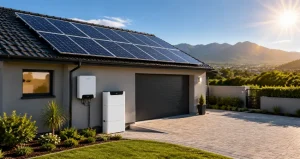
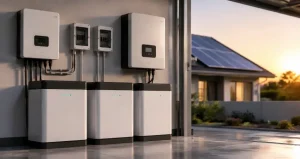
South African homeowners are increasingly investing in solar power systems to reduce dependence on the national grid, manage rising electricity costs, and maintain power during load shedding. Choosing the right inverter is one of the most important decisions in a solar installation because the inverter controls how energy from solar panels and batteries is converted into usable electricity for your home.
Two brands that frequently appear in South African solar discussions are Deye and Sunsynk. Both manufacturers offer advanced hybrid inverters designed for residential energy storage, solar integration, and backup power. While they share many similarities, there are important differences in features, software, reliability, installation flexibility, and long-term value.
This guide compares Deye vs Sunsynk inverters specifically for South African homes. Instead of focusing only on specifications, this comparison looks at practical considerations that homeowners, installers, and solar users commonly experience when choosing a home energy solution.
Understanding Hybrid Inverters For South African Homes
A hybrid inverter combines the functions of a traditional solar inverter and a battery inverter. It allows a home to use solar energy during the day, store excess power in batteries, and automatically switch to battery backup when grid electricity is unavailable.
For South African households, a good hybrid inverter should provide reliable backup during load shedding, support different battery options, handle household appliances efficiently, and offer intelligent energy management. The inverter is not just a conversion device; it becomes the central controller of a modern solar power system.
Deye Inverter Overview
Deye is a global solar technology manufacturer known for producing hybrid inverters with strong technical specifications and flexible configuration options. Deye hybrid inverters are widely used in residential and commercial solar installations because they support multiple battery types, parallel operation, and advanced energy management features.
One of Deye’s strongest advantages is flexibility. Many models provide multiple MPPT inputs, allowing homeowners to connect solar panels installed in different directions or roof sections. This can be useful for South African homes where roof designs, shading, and panel placement vary significantly.
Deye inverters are also popular among technically minded users because they provide detailed settings and monitoring options. However, the wide range of configuration choices means professional installation is important to ensure the system is correctly programmed.
Sunsynk Inverter Overview
Sunsynk has become one of the most recognised inverter brands in the South African residential solar market. The company focuses heavily on user-friendly hybrid energy solutions that combine solar generation, battery storage, and smart energy control.
A major reason for Sunsynk’s popularity is its strong local presence and installer network. Many South African solar companies are familiar with Sunsynk products, which can make installation, troubleshooting, and after-sales support easier for homeowners.
Sunsynk inverters are designed with everyday household users in mind. The monitoring platform provides homeowners with a clear view of solar production, battery status, electricity consumption, and grid usage without requiring advanced technical knowledge.
Deye Vs. Sunsynk: Performance Comparison
When comparing performance, both Deye and Sunsynk offer powerful hybrid inverter solutions suitable for South African homes. They can manage solar panels, lithium batteries, and backup loads effectively when properly installed.
Deye often appeals to users who want deeper technical control and more configuration flexibility. Its hardware capabilities make it suitable for complex solar designs, including larger systems or homes with unique energy requirements.
Sunsynk focuses more on balanced performance with simplified user experience. For many homeowners, the ability to easily monitor and understand their energy system is just as important as technical capacity.
Battery Compatibility And Energy Storage Options
Battery compatibility is a major factor when selecting a hybrid inverter because batteries represent a significant portion of the total solar investment. Both Deye and Sunsynk support popular lithium battery technologies used in South Africa.
Deye generally provides broad compatibility with different battery brands and allows installers to adjust detailed battery settings. This flexibility can be valuable when designing customised solar systems.
Sunsynk also supports many widely used lithium battery solutions and benefits from strong recognition among South African installers. Homeowners often prefer systems where the inverter and battery combination has already been tested together in local installations.
Installation And Installer Support In South Africa
The quality of installation often has a greater impact on solar system performance than the choice between two similar inverter brands. A correctly installed Deye system can outperform a poorly installed premium system, and the same applies to Sunsynk.
Sunsynk has built a strong reputation in South Africa partly because many installers are experienced with the brand. This familiarity can simplify setup, maintenance, and customer support.
Deye has also gained popularity among South African solar professionals, especially those working on advanced installations. However, homeowners should choose an installer with proven experience with the specific inverter model they purchase.
Monitoring Features And Smart Energy Management
Modern solar users want more than backup electricity. They want to understand how their home consumes energy and how to improve efficiency. Monitoring applications have therefore become an important part of inverter selection.
Both Deye and Sunsynk provide monitoring platforms that allow users to view solar production, battery charging, household consumption, and grid interaction.
Sunsynk is often considered easier for everyday users because of its straightforward interface. Deye provides extensive technical information, which can be valuable for users who want more detailed control over their system.
Reliability And Long-Term Value
Reliability depends on several factors, including installation quality, environmental conditions, maintenance, and correct system sizing. Both Deye and Sunsynk have become established names in the South African solar industry.
A homeowner should consider warranty support, local service availability, installer reputation, and replacement options when evaluating long-term value. The cheapest inverter option is not always the most economical choice if support becomes difficult later.
Which Inverter Is Better For South African Homes?
The answer depends on the homeowner’s priorities. Deye may be the better choice for people who want maximum flexibility, advanced configuration options, and a highly customisable solar system.
Sunsynk may be the better choice for homeowners who prefer a widely recognised solution with strong local installer familiarity and a simpler user experience.
For a typical South African home needing reliable backup power, both brands can be excellent choices. The final decision should be based on household electricity needs, battery selection, future expansion plans, and the expertise of the installer.
Frequently Asked Questions
1. Is Deye better than Sunsynk for South African homes?
Neither brand is universally better because the right choice depends on the home’s energy requirements. Deye offers strong technical flexibility, while Sunsynk provides a user-friendly experience and strong local market familiarity. The best option is the one that matches your solar design and installer expertise.
2. Are Deye and Sunsynk inverters reliable during load shedding?
Yes, both inverter brands are designed to provide backup power during grid interruptions when paired with suitable batteries. Reliability depends on correct installation, battery sizing, and proper system configuration.
3. Which inverter is easier to use for beginners?
Many homeowners find Sunsynk easier to understand because its monitoring tools are designed for simple energy management. Deye also provides monitoring features but may offer more technical information that is better suited for users who want detailed control.
4. Can Deye and Sunsynk inverters work with lithium batteries?
Yes, both brands support lithium battery systems commonly used in residential solar installations. Homeowners should confirm compatibility between the specific inverter model and battery before installation.
5. Which inverter has better solar panel flexibility?
Deye is often recognised for flexible solar input options and advanced configuration possibilities. This can be useful for homes with complicated roof layouts or different solar panel orientations.
6. Should I choose an inverter based only on price?
No. The inverter is a long-term investment, and factors such as warranty support, installer experience, efficiency, and future expansion options are equally important.
7. Do I need a professional installer for Deye or Sunsynk?
Yes. Hybrid solar systems involve electrical connections, battery settings, and safety considerations. A qualified installer helps ensure the system operates safely and efficiently.
8. Which inverter is better for expanding a solar system later?
Both brands offer models that can support system expansion. The ideal choice depends on the specific inverter capacity, installation design, and future electricity needs.
9. How long can these inverters last?
The lifespan of a hybrid inverter depends on usage, installation quality, environmental conditions, and maintenance. A properly installed system from a reputable brand can provide many years of service.
10. What should South African homeowners check before buying an inverter?
Homeowners should review inverter capacity, battery compatibility, warranty terms, installer experience, monitoring features, and whether the system can meet their current and future energy requirements.
Conclusion
Deye and Sunsynk are both strong hybrid inverter choices for South African homes. Deye stands out for flexibility and technical control, while Sunsynk offers simplicity and strong local recognition. The best inverter is not simply the one with the longest feature list; it is the one that fits your home’s energy needs, budget, and future plans with the support of a reliable installer.