Solar energy has become an increasingly popular choice for South African homes and businesses looking to reduce electricity costs and gain more energy independence. However, buying a solar system is a long-term investment, and the quality of the warranty behind the equipment can be just as important as the price, brand, or installation quality.
Many buyers focus on solar panels, inverters, and battery capacity but overlook the details hidden inside warranty documents. A strong solar warranty can protect your investment for many years, while a weak warranty may leave you with unexpected repair costs. Understanding what to check before purchasing a solar system helps South African consumers make better decisions.
Why Solar Warranty Matters When Buying A System In South Africa?
A solar system is designed to operate for many years under changing weather conditions, including intense sunlight, heat, dust, and occasional storms. Because solar equipment is exposed to outdoor conditions every day, reliable warranty coverage provides confidence that the manufacturer supports the product after purchase.
In South Africa, where load shedding has increased interest in solar solutions, homeowners often depend on their systems for essential electricity needs. A faulty inverter, damaged battery, or underperforming solar panel can affect daily life. A clear warranty ensures that problems caused by manufacturing defects or equipment failure can be addressed without unnecessary financial pressure.
Understanding The Different Types Of Solar Warranties
Solar warranties are not all the same. Most solar products come with different warranty periods depending on the component. Understanding these differences helps buyers compare systems more accurately.
Solar Panel Performance Warranty
The solar panel performance warranty usually guarantees that panels will maintain a certain level of electricity production over time. Many modern panels offer long-term performance coverage because solar modules generally have a slow decline in efficiency as they age.
However, buyers should check the exact percentage guaranteed after 10, 20, or 25 years. A longer warranty period does not always mean better protection if the performance conditions are unclear.
Solar Panel Product Warranty
The product warranty covers manufacturing defects such as faulty materials, damaged components, or production issues. This warranty is different from performance coverage because it focuses on the physical quality of the panel rather than electricity output.
Before buying, check whether the manufacturer provides a strong product warranty and whether claims can be handled easily through local suppliers or authorised representatives in South Africa.
Inverter Warranty
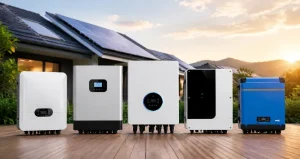
The inverter is one of the most important parts of a solar system because it converts solar energy into usable electricity. Unlike solar panels, inverters contain electronic components that may experience more wear over time.
When comparing solar solutions, pay close attention to inverter warranty length, extension options, repair procedures, and whether replacement units are available locally. A reliable inverter warranty can significantly reduce future maintenance expenses.
Battery Warranty
Solar batteries require careful warranty evaluation because their lifespan depends on usage patterns, charging cycles, temperature, and installation quality. Battery warranties usually include both time limits and cycle limits.
For South African homes using batteries during power outages, understanding warranty conditions is essential. Check whether the warranty covers capacity loss and what minimum remaining capacity is guaranteed after several years of operation.
Important Things To Check Before Choosing A Solar Warranty
A warranty document should be reviewed carefully before signing a solar installation agreement. The following factors can help determine whether a warranty provides real protection.
Check The Warranty Duration
The warranty period should match the expected lifespan and importance of each solar component. Longer coverage can provide better value, but buyers should always read the conditions attached to that period.
A 25-year panel warranty may sound impressive, but the details of coverage, exclusions, and claim procedures matter more than the number alone.
Understand Warranty Exclusions
Every warranty has limitations. Common exclusions may include incorrect installation, physical damage, environmental issues, unauthorised repairs, or poor maintenance.
A professional installer should explain these conditions clearly before installation. Knowing what is not covered prevents disagreements later if a problem occurs.
Confirm Who Handles Warranty Claims
A good warranty is only useful if the claim process is practical. Buyers should ask whether claims are handled through the installer, distributor, or directly with the manufacturer.
South African customers should consider choosing products supported by established local networks because international warranty claims may take longer and involve additional communication challenges.
Review Installer Warranty Separately
Many people only examine equipment warranties and forget about installation warranties. Installation quality has a major impact on solar system performance.
A professional installer should provide separate coverage for workmanship, including issues related to wiring, mounting, and system setup. Equipment warranties usually do not cover problems caused by poor installation.
How South African Climate Conditions Affect Solar Equipment?
South Africa has diverse climate conditions, from hot inland regions to coastal areas with humidity and salt exposure. These environmental factors can influence solar equipment performance over time.
Buyers should select equipment designed for local conditions and confirm that warranty terms consider factors such as temperature limits, weather exposure, and installation requirements. Proper installation location and regular maintenance can also help protect warranty eligibility.
Common Mistakes Buyers Make When Comparing Solar Warranties
One common mistake is choosing the cheapest solar system without reviewing warranty quality. A lower upfront price may become expensive if replacement parts, repairs, or technical support are difficult to access.
Another mistake is comparing only warranty length. A shorter warranty from a reputable manufacturer with strong local support may provide better protection than a longer warranty with complicated claim requirements.
What Makes A Solar Warranty Reliable In South Africa?
A reliable solar warranty combines reasonable coverage, transparent conditions, trusted manufacturers, and accessible support. The best warranties are easy to understand and supported by companies that have a long-term presence in the market.
Before purchasing, ask questions about claim timelines, replacement procedures, technical support, and authorised service providers. A quality solar installer should be able to explain these details without hesitation.
FAQs About Solar Warranties In South Africa
1. How long should a good solar panel warranty last in South Africa?
A good solar panel warranty typically includes both product protection and performance coverage. Many quality panels offer long-term performance warranties, but buyers should also examine the guaranteed output levels and product defect coverage. The length of the warranty should be considered together with manufacturer reputation and local support availability.
2. Does a longer solar warranty always mean better quality?
No, a longer warranty does not automatically mean better quality. Some warranties contain strict conditions or exclusions that make claims difficult. Buyers should evaluate the actual coverage, claim process, and reliability of the manufacturer instead of focusing only on the number of years provided.
3. What warranty should I look for on a solar inverter?
Since inverters contain electronic components and often require replacement sooner than solar panels, buyers should look for strong warranty coverage, reliable technical support, and available replacement options. The inverter warranty should match the expected usage of the solar system.
4. Are solar batteries covered differently from solar panels?
Yes, batteries usually have different warranty conditions because their lifespan depends on charging cycles and usage patterns. A battery warranty may include limits related to remaining capacity, cycle count, and operating conditions, so these details should be reviewed carefully.
5. Does a solar warranty cover installation problems?
Usually, equipment warranties do not cover installation mistakes. This is why buyers should request a separate workmanship warranty from the installer. Proper installation is essential for system safety, performance, and maintaining manufacturer warranty protection.
6. Can I transfer my solar warranty if I sell my home?
Some solar warranties can be transferred to a new property owner, while others may require approval from the manufacturer or installer. Homeowners planning to sell should check transfer conditions because a valid warranty can add value to a property.
7. What should I ask a solar installer about warranties?
Ask who provides the warranty, how claims are submitted, how long repairs usually take, what parts are covered, and whether local support is available. A trustworthy installer should provide clear answers before installation begins.
8. Are cheap solar systems usually supported by weaker warranties?
Not always, but buyers should be cautious. Lower-priced systems may use products with limited support networks or unclear warranty conditions. Comparing the complete value of equipment quality, warranty protection, and service support is more important than choosing the lowest price.
9. How can I protect my solar warranty after installation?
Follow the manufacturer’s maintenance guidelines, use qualified installers, keep purchase documents, and avoid unauthorised modifications. Proper maintenance and documentation can make future warranty claims much easier.
10. What is the most important warranty factor when buying solar in South Africa?
The most important factor is practical protection. A warranty should provide clear coverage, trusted manufacturer support, and a realistic process for resolving problems. A strong warranty protects not only the equipment but also the long-term value of your solar investment.
Conclusion
Choosing the best solar warranty in South Africa requires more than checking the number of years written on a product brochure. Buyers should examine coverage details, exclusions, claim procedures, installer support, and manufacturer reputation before making a decision.
A well-supported solar system with a reliable warranty can provide greater confidence, better long-term value, and fewer unexpected costs. Taking time to understand warranty terms before purchase is one of the smartest steps any South African solar buyer can take.