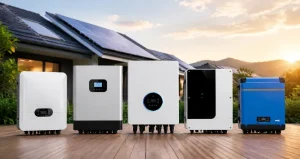
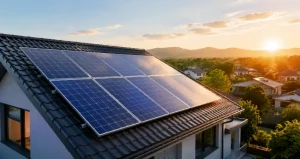
South Africa’s ongoing electricity challenges have made backup power solutions an important consideration for many homes and small businesses. When choosing a reliable energy solution, two popular options often come up: a hybrid solar system and a backup inverter. Although both can keep essential appliances running during power interruptions, they work differently and offer different long term benefits.
Choosing between a hybrid solar system and a backup inverter depends on your energy needs, budget, future plans, and how much independence you want from the electricity grid. A backup inverter may solve short term power problems, while a hybrid solar system can help reduce reliance on traditional electricity sources by combining solar panels, batteries, and grid power.
This guide explains the key differences between hybrid solar systems and backup inverters in the South African context. It covers costs, performance, maintenance, energy savings, and practical factors to help homeowners make a more informed decision.
What Is a Backup Inverter System?
A backup inverter system is designed mainly to provide electricity during power outages. It usually consists of an inverter, batteries, and a connection to your home’s electrical system. When grid electricity is available, the batteries charge. During an outage, the inverter converts stored battery energy into usable electricity for selected appliances.
Many South African households use backup inverters to keep essential devices operating during load shedding. These systems are commonly used for lights, WiFi routers, televisions, computers, security systems, and smaller household electronics.
The main purpose of a backup inverter is energy availability during interruptions rather than reducing monthly electricity costs. Since it normally does not include solar panels, the batteries are charged primarily through the grid.
What Is a Hybrid Solar System?
A hybrid solar system combines solar panels, batteries, an inverter, and grid electricity into one integrated energy solution. It can use solar power during the day, store excess energy in batteries, and automatically switch between solar, battery, and grid power depending on availability.
This type of system offers more flexibility because it can generate renewable energy instead of only storing electricity from the grid. For South African homeowners, a hybrid solar setup can provide backup power while also helping reduce electricity consumption from the utility provider.
A properly designed hybrid solar system can support essential household appliances and, depending on system size, can power larger loads such as refrigerators, pumps, office equipment, and selected heating appliances.
Key Difference Between a Hybrid Solar System and Backup Inverter
The biggest difference is energy generation. A backup inverter stores electricity but does not create power. A hybrid solar system generates electricity through solar panels and manages energy from multiple sources.
A backup inverter is usually a simpler solution focused on reliability during outages. A hybrid solar system is a more advanced energy management solution designed for backup power, electricity savings, and greater energy independence.
Cost Comparison in South Africa
The initial cost is one of the most important factors for South African homeowners. Backup inverter systems are generally more affordable because they require fewer components. A basic system can provide emergency power without the additional expense of solar panels and advanced energy management equipment.
Hybrid solar systems require a larger investment because they include solar panels, mounting equipment, batteries, and installation. However, the higher upfront cost can provide additional value over time through solar energy production and reduced electricity usage.
When comparing prices, homeowners should consider long term benefits rather than only the initial purchase price. A cheaper system may solve immediate problems, while a larger solar investment may provide savings and flexibility for many years.
Energy Savings and Long Term Benefits
A backup inverter mainly helps maintain electricity availability during outages. It does not significantly reduce your electricity bill because it depends on energy supplied from the grid.
A hybrid solar system can reduce electricity costs by using solar energy generated during daylight hours. Excess solar power can be stored in batteries for later use, especially during evening periods or electricity interruptions.
For households with high electricity consumption, solar exposure, and long term ownership plans, a hybrid solar system can offer stronger financial benefits over time.
Battery Performance and Maintenance Requirements
Both systems depend heavily on battery technology. Battery quality, usage patterns, temperature, and charging habits affect the lifespan and performance of the system.
Modern lithium batteries are becoming increasingly popular in South Africa because they usually provide longer service life, better efficiency, and improved performance compared with older battery technologies.
Maintenance requirements for both systems are relatively low when installed correctly. However, solar systems require additional checks for solar panels, wiring, and system monitoring to ensure maximum performance.
Which System Is Better for Load Shedding?
For households that only need essential backup power during load shedding, a backup inverter can be a practical choice. It provides a reliable solution without requiring a large installation process.
However, if the goal is to prepare for future energy challenges, reduce grid dependency, and use renewable energy, a hybrid solar system provides more advantages. It offers greater control over how electricity is generated, stored, and consumed.
Factors South African Homeowners Should Consider Before Buying
Before choosing a system, homeowners should evaluate their daily electricity usage, available roof space, budget, and future energy requirements. A professional assessment can help determine the correct inverter size, battery capacity, and solar panel requirements.
Important considerations include the number of appliances you want to run, the duration of backup power needed, your local weather conditions, and whether reducing electricity costs is a priority.
Frequently Asked Questions
1. Is a hybrid solar system better than a backup inverter?
A hybrid solar system is generally better for homeowners who want both backup power and long term energy savings. A backup inverter is better suited for people who mainly need electricity during outages and want a lower initial investment. The best option depends on your electricity needs, budget, and future goals.
2. Can a backup inverter use solar panels later?
Some backup inverter models can be upgraded with solar panels, but not all systems support solar integration. If you think you may add solar energy in the future, it is important to choose equipment that allows expansion and works with solar charging technology.
3. How long can a hybrid solar system power a home?
The backup duration depends on battery capacity, inverter size, and household electricity consumption. A larger battery system can provide power for a longer period, while energy efficient appliances can extend backup time significantly.
4. Does a hybrid solar system eliminate electricity bills completely?
A hybrid solar system can reduce electricity costs, but completely eliminating bills depends on system size, energy usage, solar availability, and local electricity regulations. Many homeowners still keep a grid connection for additional reliability.
5. Are hybrid solar systems suitable for South African homes?
Yes, hybrid solar systems are suitable for many South African homes because the country receives strong sunlight in many regions. They are especially useful for homeowners who want backup power and better control over electricity consumption.
6. What appliances can run on a backup inverter?
The appliances supported depend on the inverter capacity and battery size. Common choices include lights, internet equipment, security systems, televisions, laptops, and selected household electronics. Larger appliances require a more powerful system.
7. Which system requires more maintenance?
A hybrid solar system usually requires slightly more attention because it includes solar panels and additional components. However, both systems require minimal maintenance when professionally installed and regularly checked.
8. How long do solar batteries usually last?
Battery lifespan depends on battery type, usage, charging cycles, and environmental conditions. Quality lithium batteries can often provide many years of reliable service when properly managed.
9. Should I install a bigger inverter than I currently need?
Choosing an inverter with some future capacity can be beneficial if you plan to add appliances or expand your solar system. However, an unnecessarily large inverter can increase costs without providing practical benefits.
10. Should I choose a hybrid solar system or backup inverter for my home?
If your priority is simple backup power during outages, a backup inverter may be enough. If you want renewable energy generation, lower electricity dependence, and a more complete energy solution, a hybrid solar system is usually the better long term choice.
Conclusion
Both hybrid solar systems and backup inverters can provide valuable support during electricity interruptions in South Africa. A backup inverter offers a simpler and more affordable way to keep essential appliances running, while a hybrid solar system provides additional benefits through solar energy generation and improved energy independence.
The right choice depends on your current needs, available budget, and future plans. For homeowners looking beyond short term backup power, investing in a well designed hybrid solar system can provide greater flexibility and long term value.