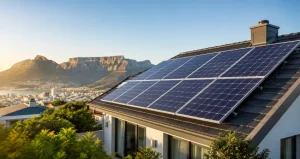
Solar energy has become one of the most practical ways for South African homeowners and businesses to reduce dependence on the national electricity grid. With rising electricity costs, load shedding concerns, and increasing interest in energy independence, many people are exploring solar panels, batteries, and complete backup power systems. However, the upfront cost of installing a quality solar system can be significant, which makes solar financing an important consideration.
South Africa’s major banks now offer different financing options for solar installations, including personal loans, home loan extensions, green energy loans, and renewable energy financing solutions. Choosing the right bank is not only about finding the lowest interest rate. Borrowers should also consider repayment terms, approval requirements, additional fees, and whether the financing option matches their long-term energy goals.
How Solar Financing Works In South Africa?
Solar financing allows homeowners or businesses to pay for a solar system through structured monthly repayments instead of paying the entire installation cost upfront. Depending on the lender, financing may cover solar panels, inverters, batteries, installation costs, and related electrical upgrades.
The most common financing methods include personal loans, home loan refinancing, access bonds, and specialised green energy loans. Homeowners who already have property financing may find that adding solar costs to their existing home loan offers lower monthly repayments because the repayment period can be extended over many years.
Factors To Compare Before Choosing A Solar Loan
Interest rates are an important part of solar financing, but they should not be the only deciding factor. A loan with a slightly higher rate may sometimes offer better flexibility, faster approval, or lower additional costs.
Before selecting a bank, compare the following factors:
- Interest rate and whether it is fixed or linked to the prime lending rate.
- Loan repayment period and monthly affordability.
- Initiation fees and monthly service charges.
- Early settlement conditions.
- Whether the lender supports approved solar installers.
- The total cost of credit over the full repayment period.
Best Banks For Solar Financing In South Africa
Standard Bank Solar Financing
Standard Bank is one of the major South African banks offering renewable energy financing solutions for customers looking to install solar systems. The bank provides options that may include personal lending solutions and home finance adjustments, depending on customer circumstances.
Standard Bank customers who already have home loans may benefit from using property-based financing because it can provide longer repayment periods compared with traditional personal loans. This can make larger solar installations more manageable for households requiring batteries and backup power solutions.
FNB Solar Financing
FNB provides several ways for customers to fund solar installations, including options connected to home loans and personal finance products. The bank has promoted renewable energy solutions as part of its broader efforts to support customers investing in energy efficiency.
One advantage for existing FNB customers is the ability to manage financing through digital banking platforms. Customers should compare the final repayment amount carefully because the best option depends on their credit profile, property value, and chosen solar equipment.
Absa Solar Financing
Absa offers renewable energy financing options designed to help homeowners move toward cleaner energy solutions. Customers can explore home loan-related options or other credit facilities depending on their financial position.
For homeowners planning a complete solar installation, using property finance may provide benefits because solar equipment can increase household energy efficiency and potentially add value to a property. However, borrowers should consider the long-term repayment commitment before choosing this route.
Nedbank Solar Financing
Nedbank has been active in supporting renewable energy projects and offers financing solutions for individuals interested in solar energy. The bank’s green financing approach focuses on helping customers invest in environmentally responsible improvements.
Nedbank customers should compare available financing structures, including repayment periods and interest costs, to determine whether a green energy financing product or another lending option provides better value.
Capitec And Other Financing Alternatives
While some banks focus on dedicated renewable energy products, other lenders may provide personal loan options that customers can use for solar installations. These solutions can be useful for smaller solar projects but may have shorter repayment periods compared with home loan-based financing.
For households installing a basic inverter and battery system, a personal loan may be suitable. For larger systems involving multiple solar panels and high-capacity batteries, property-linked financing may often provide more manageable repayment structures.
Comparing Solar Loan Rates In South Africa
Solar financing rates in South Africa vary depending on the lender, applicant credit score, loan amount, repayment period, and the type of financing chosen. Because banks adjust rates according to market conditions and individual risk assessments, there is no single rate available to every borrower.
Generally, home loan-based solar financing tends to have lower interest rates than unsecured personal loans because the loan is linked to property security. Personal loans may offer faster access to funds but usually come with higher borrowing costs.
A practical comparison approach is to request personalised quotations from several banks. Look beyond the advertised starting rate and review the complete repayment schedule, including all fees and charges.
How To Get Approved For Solar Financing?
Banks usually evaluate several factors before approving solar financing. These include income stability, credit history, existing debts, affordability, and the value of the proposed solar installation.
Applicants can improve their chances of approval by maintaining a healthy credit record, preparing accurate income documents, and obtaining professional solar installation quotations from reputable providers. A detailed quotation helps lenders understand exactly what the financing will cover.
Choosing The Right Solar System Before Applying For Finance
Many homeowners make the mistake of choosing financing before understanding their actual energy requirements. A solar system should be designed according to electricity usage, household size, appliance requirements, and backup power expectations.
A smaller system may reduce costs but might not provide enough backup during outages. A larger system can offer greater independence but requires a higher initial investment. Working with a qualified installer can help determine the right balance between performance and affordability.
FAQs About Solar Financing In South Africa
1. Which South African bank has the best solar financing option?
The best bank depends on individual circumstances, including credit profile, existing banking relationship, property ownership, and the size of the solar installation. Major banks such as Standard Bank, FNB, Absa, and Nedbank offer different financing approaches, so comparing personalised offers is the best way to find suitable terms.
2. What interest rate can I expect for solar financing in South Africa?
Solar financing rates vary based on market conditions, lender policies, and personal financial factors. Home loan-based financing usually follows mortgage-related pricing, while personal loans may have different rates. Borrowers should request official quotations instead of relying only on advertised starting rates.
3. Is it better to finance solar through a home loan or personal loan?
A home loan option may provide lower monthly repayments because the repayment period can be longer. A personal loan may provide quicker access to funds but could cost more over time. The better choice depends on the installation size, repayment ability, and personal financial plans.
4. Can I finance solar panels and batteries together?
Yes, many financing options can cover complete solar systems, including panels, inverters, batteries, and installation expenses. Customers should confirm exactly what costs are included before accepting a financing agreement.
5. Do banks require a solar installation quotation?
Most lenders require supporting documents such as supplier quotations because they need to understand the project cost and purpose of the finance. A professional quotation also helps borrowers avoid underestimating the total installation expense.
6. Can tenants apply for solar financing in South Africa?
Tenants may have fewer financing options because many solar financing products are linked to property ownership. However, some personal finance solutions may be available depending on income and credit status.
7. Does installing solar increase property value?
A well-designed solar system can make a property more attractive by reducing electricity costs and improving energy independence. The actual impact on property value depends on factors such as system quality, location, and buyer demand.
8. How long does solar financing approval take?
Approval times vary between lenders and depend on the type of finance, documentation provided, and customer profile. Digital loan applications may be processed quickly, while home finance adjustments can require additional assessment.
9. Should I choose the cheapest solar financing offer?
The cheapest monthly repayment is not always the most affordable option. Customers should compare total repayment costs, fees, loan duration, and flexibility before making a decision.
10. Is solar financing worth it in South Africa?
Solar financing can be worthwhile for households that want greater energy reliability and lower dependence on traditional electricity sources. The decision should be based on realistic energy needs, installation quality, and whether the repayment structure fits the household budget.
Conclusion
Choosing the best bank for solar financing in South Africa requires more than comparing interest rates. Standard Bank, FNB, Absa, Nedbank, and other lenders provide different solutions designed for different customer needs. The right choice depends on the size of the solar system, financial situation, repayment goals, and long-term energy plans.
By comparing financing options carefully, understanding total costs, and selecting a suitable solar system, South African homeowners can make a confident investment toward a more reliable and efficient energy future.