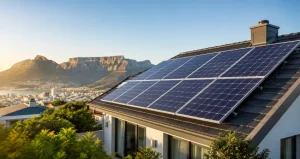
South Africa’s growing interest in solar energy has changed the way many homeowners think about electricity costs. With rising power expenses and the need for reliable energy solutions, installing solar panels has become a practical investment for households and businesses. However, the upfront cost of a complete solar system can be a challenge, which is why solar loans have become an important financing option.
Solar loans allow South Africans to spread the cost of purchasing and installing solar equipment over time instead of paying the full amount immediately. Several banks and financial institutions now offer solutions designed for renewable energy upgrades, including solar panels, batteries, and related equipment. Understanding available options, interest rates, and qualification requirements can help homeowners make a confident financial decision.
This guide explains how solar loans work in South Africa, what banks consider when approving applications, the factors that influence loan rates, and practical steps to improve your chances of qualifying.
What Is A Solar Loan In South Africa?
A solar loan is a type of financing specifically used to cover the cost of installing a solar energy system. Instead of paying thousands of rands upfront, homeowners can borrow money from a bank or lender and repay it through monthly instalments over an agreed period.
Solar financing can cover different parts of a renewable energy project, including solar panels, inverters, batteries, installation fees, and sometimes additional electrical upgrades required for safe operation. The exact amount available depends on the lender, your financial profile, and the total cost of the solar installation.
For many households, the goal is to replace unpredictable electricity expenses with a structured monthly repayment while building long term energy independence.
Why More South Africans Are Choosing Solar Financing?
The demand for solar loans has increased because many households want greater control over their energy costs. A properly designed solar system can reduce dependence on traditional electricity supply and provide backup power when combined with battery storage.
However, solar equipment is a major purchase. A quality residential solar installation can require a significant investment depending on the size of the system, battery capacity, and installation requirements. Financing helps make these improvements accessible without using all available savings.
Another important advantage is that solar systems can add value to a property. Energy efficient homes with reliable electricity solutions may become more attractive to future buyers, although the actual impact depends on market conditions and property location.
Banks And Financial Institutions Offering Solar Loan Options
Several major South African banks provide financing options for renewable energy installations. These products may be offered as personal loans, home improvement loans, or dedicated green energy finance solutions.
Common providers in the South African market include banks such as Standard Bank, Absa, Nedbank, First National Bank, and Capitec. Some banks have developed renewable energy loan programmes that support customers investing in solar systems and energy efficiency improvements.
The structure of each loan differs. Some lenders may allow customers to add solar upgrades to their existing home loan, while others may provide separate personal finance options. Before choosing a lender, compare repayment terms, interest rates, fees, and flexibility.
How Solar Loan Interest Rates Work In South Africa?
Solar loan rates are not the same for every applicant. Banks usually calculate interest based on factors such as credit history, income stability, loan amount, repayment period, and current lending conditions.
Applicants with a strong credit profile and stable income may receive more favourable rates compared with individuals who have a higher credit risk. The type of finance product also affects the final cost. A home loan extension may have different terms from an unsecured personal loan.
When comparing solar loans, do not focus only on the monthly repayment amount. A lower monthly payment over a longer period may result in paying more interest overall. Review the total repayment cost before making a decision.
How To Qualify For A Solar Loan?
Qualification requirements vary between lenders, but most South African banks review similar financial information before approving solar finance. The main factors include income, affordability, credit record, employment status, and existing debt obligations.
Applicants generally need proof of income, identification documents, bank statements, and details of the solar installation. Some lenders may also require a quotation from an approved solar installer to confirm the project cost.
Maintaining a healthy credit score can improve your chances of approval. Paying accounts on time, reducing unnecessary debt, and keeping financial records organised are practical steps that strengthen your application.
Important Factors To Consider Before Taking A Solar Loan
Solar financing is a long term financial commitment, so it is important to evaluate the complete picture before signing an agreement. The quality of the solar equipment, installer reputation, warranty coverage, and expected energy savings all influence whether the investment will deliver value.
Homeowners should also consider their future plans. If you expect to sell your property soon, understand how the loan agreement and solar installation may affect the transaction. If you plan to stay for many years, a solar system may provide greater long term benefits.
Getting multiple solar installation quotes can help you understand fair pricing and avoid paying more than necessary for equipment or labour.
Steps To Apply For Solar Finance In South Africa
The application process is usually straightforward when you prepare the required information in advance. Start by assessing your electricity needs and choosing a suitable solar system size. A professional installer can help determine the correct combination of panels, inverter, and battery storage.
After receiving installation quotes, compare finance options from different banks. Review interest rates, repayment periods, monthly costs, and additional fees. Once you select a suitable option, submit your application with the required documents.
After approval, the lender may release funds according to the agreed process, allowing the installation to begin. Always confirm that your installer provides proper documentation, warranties, and support after installation.
FAQs About Solar Loans In South Africa
1. Are solar loans available from South African banks?
Yes, many South African banks provide financing options that can be used for solar installations. These may include dedicated renewable energy finance products, home improvement loans, or personal loan solutions. Availability and terms depend on the individual bank and the applicant’s financial profile.
2. What credit score is needed for a solar loan?
There is no single credit score requirement for every lender. Banks assess your overall financial situation, including payment history, income, existing debt, and affordability. A stronger credit record generally improves the likelihood of approval and may help secure better loan terms.
3. Can I finance solar panels and batteries together?
Many solar finance options can cover both solar panels and battery storage, depending on the lender’s rules. Including batteries may increase the total loan amount because storage systems can represent a significant part of the installation cost. Always confirm exactly what equipment the loan covers.
4. Is a solar loan better than paying cash?
The better option depends on your personal financial situation. Paying cash avoids interest costs, but a loan allows you to keep savings available for emergencies and other priorities. Compare the expected benefits of the solar system with the total cost of borrowing before deciding.
5. How long do solar loan repayment periods usually last?
Repayment periods depend on the lender and type of finance product. Some loans may be structured over several years, while home loan related financing may have longer terms. A longer repayment period can reduce monthly costs but may increase the total amount paid over time.
6. Do banks require a solar installation quotation?
Many lenders request a detailed quotation because it helps confirm the project cost and ensures that the finance amount matches the intended installation. A professional quotation should include equipment details, installation costs, and warranty information.
7. Can tenants apply for solar loans in South Africa?
Solar loans are usually easier for property owners because the equipment becomes part of the property. Tenants should discuss permission with property owners before installing solar equipment. Financing options may depend on ownership arrangements and lender requirements.
8. Does installing solar increase home value?
A solar system can make a property more attractive because reliable energy solutions are becoming increasingly important to buyers. However, the effect on property value varies depending on location, system quality, market demand, and how well the installation is maintained.
9. What documents are needed for a solar loan application?
Common documents include identification, proof of income, bank statements, and solar installation quotations. Some lenders may request additional financial information depending on the loan type and application amount.
10. How can I improve my chances of getting solar finance approved?
You can improve approval chances by maintaining a good credit history, reducing unnecessary debt, preparing accurate financial documents, and choosing a solar system that matches your affordability. Comparing different lenders can also help you find a suitable financing option.
Conclusion
Solar loans in South Africa provide a practical way for homeowners to invest in renewable energy without paying the full installation cost upfront. By understanding bank options, interest rates, qualification requirements, and long term financial considerations, you can choose a solar financing solution that fits your needs.
A careful approach, including comparing lenders and selecting a reliable solar installer, can help you make a smarter investment in energy independence and future household savings.