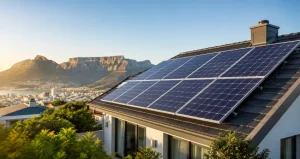
Solar power has become increasingly popular among South African homeowners as more families look for reliable alternatives to traditional electricity supply. With ongoing concerns around energy security and rising electricity costs, thousands of households have invested in solar panels, inverters, and battery backup systems. However, after spending a significant amount of money on a solar installation, many homeowners ask an important question: does home insurance cover solar panels in South Africa?
The short answer is that solar panels are often covered under home insurance, but the level of protection depends on your insurance policy, how the system was installed, and whether you have informed your insurer. A solar installation is usually treated as a permanent fixture of the property, meaning it may fall under building insurance rather than standard household contents cover.
Understanding how solar insurance works can help homeowners avoid unexpected costs if their system is damaged by storms, theft, fire, electrical issues, or other risks. This guide explains how solar panel insurance works in South Africa, what is usually covered, what exclusions to consider, and the practical steps homeowners should take to protect their investment.
How Solar Panels Are Usually Classified For Home Insurance In South Africa?
In South Africa, solar panels installed permanently on a home are generally considered part of the building structure. This means they are commonly included under buildings insurance because they become a fixed improvement to the property rather than a removable household item.
A typical residential solar system includes several important components such as solar photovoltaic panels, an inverter, mounting structures, wiring, and sometimes battery storage. Since these components are connected to the home’s electrical system and designed to remain at the property, insurers often treat them as fixtures and fittings.
However, homeowners should not assume that their existing policy automatically provides complete protection. Insurance companies have different requirements, and many require homeowners to update their policy details after installing solar equipment. Failing to declare the installation may create problems during a claim.
What Types Of Solar Panel Damage May Be Covered?
Comprehensive home insurance policies in South Africa may cover solar systems against several common risks. The exact protection depends on your insurer and policy wording, but many policies provide cover for accidental damage caused by insured events.
Common risks that may be covered include:
- Fire damage affecting solar equipment
- Storm, hail, wind, or lightning damage
- Theft or attempted theft of solar components
- Damage caused by certain accidental impacts
- Malicious damage where included in the policy
For example, severe hailstorms can crack solar panels, while lightning strikes can damage inverters or electrical components. South African weather conditions vary significantly between regions, making it important for homeowners to understand what protection their policy provides.
It is important to remember that insurance generally covers sudden and unexpected damage rather than normal wear and tear. Regular maintenance, gradual performance decline, or manufacturing defects are usually handled through warranties provided by the solar installer or equipment manufacturer.
Why You Must Inform Your Insurance Company After Installing Solar?
One of the biggest mistakes homeowners make is installing a solar system and forgetting to update their insurance provider. Adding solar panels changes the replacement value of your property, which means your insurer needs accurate information about the upgraded home.
When you notify your insurer, they can adjust your policy and ensure that the insured amount reflects the additional value of the solar equipment. Without this update, you may face underinsurance, where the payout is not enough to fully replace the damaged system.
Insurance providers may ask for documents such as installation invoices, equipment details, warranties, and a Certificate of Compliance (CoC) from a qualified electrician. These documents help prove that the solar system was installed according to required standards.
Does Home Insurance Cover Solar Batteries And Inverters?
Solar panels are only one part of a modern solar energy system. Many South African households also install expensive inverters and battery storage systems to maintain electricity supply during outages. These components require careful consideration when reviewing your insurance coverage.
In many cases, fixed inverters and permanently installed batteries may be included under building insurance because they form part of the property’s electrical system. However, portable backup equipment may be treated differently and could fall under home contents insurance depending on the insurer’s rules.
Because battery systems can represent a large portion of the total installation cost, homeowners should specifically confirm that their inverter and battery capacity are included in the insured value. Never assume that only the visible rooftop panels are covered.
The Importance Of A Professional Solar Installation
A professionally installed solar system is not only important for performance and safety but can also affect your insurance claim. Many insurers require evidence that electrical work was completed by qualified professionals and that the installation complies with South African regulations.
A Certificate of Compliance is an important document that confirms the electrical installation meets required safety standards. Keeping this certificate, along with invoices and warranties, can make the claims process smoother if damage occurs.
Homeowners should also choose reputable solar installers who provide proper documentation. Cheap installations without correct certification may create safety risks and could complicate future insurance claims.
Common Reasons Solar Insurance Claims May Be Rejected
Although insurance can provide valuable protection, claims are not automatically approved in every situation. Understanding common problems can help homeowners avoid unpleasant surprises.
Some reasons a solar-related claim may face difficulties include:
- The solar system was not declared to the insurer
- The insured amount was too low to cover replacement costs
- The installation was not professionally completed
- Required certificates or documents are missing
- The damage resulted from poor maintenance or gradual deterioration
Keeping accurate records and regularly reviewing your insurance policy after property improvements is one of the simplest ways to protect your investment.
How Much Does Solar Panel Insurance Cost In South Africa?
The cost of insuring a solar system in South Africa varies depending on several factors, including the size of the installation, total replacement value, location of the property, security features, and the insurance provider. In many cases, homeowners do not need a completely separate solar insurance policy because permanently installed solar equipment can often be included in existing homeowners building insurance.
Although adding solar panels may increase your insurance premium slightly, the additional cost is usually small compared with the financial risk of replacing a damaged inverter, battery, or solar panel system. The main factor insurers consider is the increased replacement value of your home after adding the solar installation.
Homeowners should focus less on finding the cheapest premium and more on ensuring that the policy provides enough cover to replace the complete system. A lower premium that leaves your solar equipment underinsured may create serious financial difficulties after a major loss.
Does Home Insurance Cover Solar Panels During Load Shedding Damage?
Many South African homeowners install solar systems because of electricity interruptions and load shedding. However, it is important to understand that home insurance generally does not cover every problem related to power supply. Insurance usually responds to sudden insured events rather than normal operational problems.
For example, if a power surge caused by lightning damages your inverter and your policy includes this type of electrical damage, you may be able to submit a claim. However, if a battery naturally loses capacity over several years because of normal use, this would usually be considered wear and tear rather than an insurance event.
This is why solar owners should understand the difference between insurance protection and manufacturer warranties. Insurance protects against unexpected events, while warranties usually cover equipment defects or specific performance issues.
Are Solar Panels Covered Under Sectional Title Insurance In South Africa?
Homeowners living in sectional title properties need to pay special attention because ownership and insurance responsibilities can be different from a standalone house. In many sectional title schemes, common property structures are covered through the body corporate’s insurance, while improvements made by individual owners may require separate arrangements.
Before installing solar panels in a sectional title development, homeowners should check the scheme’s rules and discuss the installation with the body corporate or managing agent. Permission may be required, especially when panels are installed on shared roofs or affect the appearance of the building.
The insurance responsibility may depend on whether the solar system is considered part of the sectional title building or a private improvement belonging to the homeowner. Getting written confirmation before installation can prevent disagreements later.
What Documents Do You Need To Insure A Solar System?
Keeping proper documentation is one of the most important steps when protecting a solar investment. Insurance providers may request proof that the system was professionally installed and that it meets safety requirements.
Important documents may include:
- Solar installation invoice
- Equipment specifications and model numbers
- Installer details
- Electrical Certificate of Compliance (CoC)
- Warranty documents
- Photos of the completed installation
- Proof of payment
A Certificate of Compliance is especially important because it confirms that the electrical installation meets required standards. Having complete records can make the claims process faster and easier if damage occurs.
Practical Steps To Protect Your Solar Investment
Installing solar panels is a major home improvement project, and protecting that investment requires more than simply buying insurance. Homeowners should combine insurance protection with good maintenance practices and proper system management.
Some practical steps include:
- Notify your insurer before or immediately after installation.
- Review your insured amount after adding solar equipment.
- Keep all installation and warranty documents safely.
- Use qualified installers and electricians.
- Schedule regular system inspections.
- Monitor inverter performance and battery health.
Regular maintenance is particularly important because insurance normally does not cover damage caused by neglect. Keeping solar panels clean, checking connections, and following manufacturer recommendations can extend the lifespan of the system.
Expert Advice: Think About Replacement Cost, Not Installation Cost
One common mistake among South African homeowners is calculating insurance needs based only on what they originally paid for their solar system. The more important question is: how much would it cost to replace the complete system today?
Solar technology prices, installation costs, and equipment availability can change over time. A system that cost R150,000 several years ago may require a different amount to replace today. Your insurance cover should reflect realistic replacement costs rather than outdated purchase prices.
Experienced homeowners often review their insurance whenever they make major property improvements, including solar installations, renovations, security upgrades, or energy efficiency improvements. This approach helps keep their policy aligned with the true value of the property.
FAQs About Solar Panel Insurance In South Africa
1. Does home insurance automatically cover solar panels in South Africa?
Not always. Many insurers may cover permanently installed solar panels under building insurance because they become part of the property. However, homeowners should inform their insurer about the installation and confirm that the insured value includes the complete solar system. Assuming automatic coverage without checking your policy could create problems during a claim.
2. Are solar batteries included in home insurance cover?
Solar batteries may be covered when they are permanently installed as part of the home energy system, but coverage depends on the insurer and policy terms. Because batteries can represent a large portion of the solar investment, homeowners should specifically confirm that batteries and related equipment are included in the replacement value.
3. Will installing solar panels increase my home insurance premium?
Installing solar panels may increase your premium because your property value and replacement cost increase. However, the increase is often relatively small compared with the cost of replacing a damaged solar system. The final amount depends on factors such as system size, property location, security measures, and insurer requirements.
4. Does insurance cover solar panels damaged by hail or storms?
Many comprehensive home insurance policies provide protection against insured weather events such as storms, hail, wind, and lightning. However, homeowners should carefully review their policy because coverage conditions and exclusions vary between insurers. Severe weather protection is especially important in areas where hailstorms and thunderstorms are common.
5. Can I claim insurance if my inverter stops working?
It depends on why the inverter failed. If the failure resulted from an insured event such as lightning damage or a covered electrical incident, a claim may be possible. However, normal mechanical failure, ageing, or manufacturing problems are usually handled through the manufacturer warranty rather than home insurance.
6. Do I need a special solar insurance policy?
Many homeowners do not need a separate solar insurance policy because permanently installed systems can often be added to existing homeowners insurance. However, every insurance provider has different rules, so homeowners should discuss their solar installation with their insurer to understand available options.
7. What happens if I install solar panels without telling my insurer?
Failing to notify your insurer can create complications if you later submit a claim. Because solar panels increase the value of the property and change the risk profile, insurers need accurate information. Updating your policy after installation helps ensure that your cover matches your actual property value.
8. Are portable solar systems covered under home insurance?
Portable solar equipment may be treated differently from permanently installed systems. Depending on the policy, portable equipment may fall under household contents insurance rather than building insurance. Homeowners should ask their insurer how removable equipment is classified.
9. Does insurance cover solar panel maintenance costs?
Generally, insurance does not cover routine maintenance such as cleaning panels, replacing ageing components, or improving system performance. These responsibilities belong to the homeowner. Regular maintenance helps prevent problems and protects the long-term efficiency of the solar system.
10. What is the most important thing to check before buying solar insurance cover?
The most important factor is making sure the policy provides enough coverage to replace the entire system. Homeowners should confirm that panels, inverter, batteries, wiring, and installation costs are considered when calculating the insured amount. A policy should provide realistic protection rather than simply the lowest monthly premium.
Conclusion
Home insurance can cover solar panels in South Africa, but homeowners should never assume their system is automatically protected. The best approach is to inform your insurer, update your insured value, keep installation documents, and understand the difference between insurance protection and equipment warranties.
Solar energy is a valuable investment that improves energy independence and can add value to a property. With the right insurance arrangements and proper maintenance, South African homeowners can protect their solar systems and enjoy the benefits of renewable energy with greater confidence.