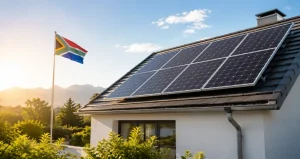
Solar energy has become one of the most practical investments for South African homeowners and businesses. With rising electricity costs, ongoing concerns about power reliability, and increasing interest in renewable energy, many households are looking for ways to install solar systems without paying the entire cost upfront. However, choosing the right way to finance a solar installation can be just as important as choosing the right panels, inverter, and battery system.
In 2026, South Africans have several solar finance options available, including home loan extensions, dedicated solar loans, personal loans, asset finance, and alternative payment models. Each option has different advantages, repayment periods, interest structures, and qualification requirements. The best choice depends on your financial position, property ownership status, and long-term energy goals.
This guide compares the leading solar financing options in South Africa and explains how each method works. The goal is to help homeowners make a more informed decision before committing to a solar investment.
Why Solar Finance Is Becoming More Popular In South Africa
The upfront cost of a complete solar system can be significant. A residential installation may include solar panels, an inverter, batteries, installation labour, electrical upgrades, and monitoring equipment. Because of this, many homeowners prefer financing instead of using their savings for the entire project.
Solar finance allows households to spread the cost of installation over several years while immediately benefiting from reduced dependence on traditional electricity sources. Instead of waiting until they can afford a full cash purchase, homeowners can start using solar energy while making manageable monthly repayments.
Many financial institutions in South Africa now provide specialised renewable energy funding solutions. These include green home loan options, solar-specific loans, and energy improvement finance products designed for residential customers.
How Solar Financing Works In South Africa?
Solar financing works similarly to other forms of borrowing. A lender provides funding for the solar installation, and the homeowner repays the amount over an agreed period with applicable interest and fees. The repayment structure depends on whether the finance is secured against property or provided as an unsecured loan.
Secured financing usually uses your home loan facility or property value as security. Because the lender has lower risk, these options often provide longer repayment periods and potentially lower interest rates. Unsecured loans are easier for some customers to access but generally come with shorter terms and higher borrowing costs.
Before applying for finance, homeowners should understand the complete solar project cost. This includes equipment quality, installation charges, warranties, maintenance requirements, and possible future upgrades.
Option 1: Using Your Home Loan To Finance Solar Installation
For homeowners who already have a mortgage, extending an existing home loan is often considered one of the most cost-effective ways to finance solar. Banks may allow customers to access additional funds through a bond extension, further advance, or similar home loan facility.
The main advantage of this option is that repayment can be spread over a longer period compared with traditional personal loans. This can make monthly payments more affordable. Some banks offer renewable energy solutions linked directly to home loans, allowing homeowners to finance solar improvements as part of their property investment.
However, homeowners should remember that extending a mortgage means paying for the solar system over a longer period. It is important to compare the total repayment amount rather than only looking at the monthly instalment.
Option 2: Dedicated Solar Loans From Banks
Dedicated solar loans have become increasingly popular because they are specifically designed for renewable energy installations. These loans allow customers to finance solar panels, batteries, inverters, and related equipment without changing their existing mortgage arrangements.
Several South African financial institutions offer energy-focused lending products. For example, some banks provide loans that cover residential solar installations with structured repayment terms and requirements based on income and affordability assessments.
A dedicated solar loan can be suitable for homeowners who own their property but do not want to increase their existing home loan. The application process is usually based on credit history, income stability, and the total project cost.
Option 3: Personal Loans For Solar Systems
Personal loans are another common method used by South Africans to fund solar installations. They are generally easier to apply for because they do not require property security. This makes them suitable for renters with permission to install solar solutions or homeowners who do not have available home loan equity.
The disadvantage is that personal loans often have shorter repayment periods and may carry higher interest rates compared with secured finance options. Before choosing this route, borrowers should carefully calculate whether the monthly repayment fits comfortably within their budget.
A personal loan may work well for smaller solar projects, such as adding backup batteries, installing a solar geyser, or upgrading an existing system rather than financing a complete high-capacity installation.
Option 4: Solar Finance Through Specialist Providers
Specialist solar finance companies and finance platforms have expanded the choices available to South African consumers. These providers often work with approved installers and lenders to create customised payment solutions.
Some platforms help customers compare different financing options from multiple providers instead of applying separately to each lender. This approach can save time and help homeowners understand which solution matches their financial situation.
Specialist providers may also offer additional services such as installer recommendations, system assessments, and assistance throughout the application process.
Option 5: Rent-To-Own Solar Solutions
Rent-to-own solar agreements allow customers to use a solar system while making monthly payments over a fixed period. After completing the agreement terms, ownership may transfer to the customer depending on the contract structure.
This option can be attractive for households that want solar benefits but cannot access traditional bank finance. It reduces the need for a large upfront payment and may include maintenance support from the provider.
However, customers should carefully review ownership conditions, contract duration, maintenance responsibilities, and total costs before signing any agreement.
Comparing Solar Finance Options: Which One Is Better?
There is no single best solar finance option for every South African homeowner. The right choice depends on your personal circumstances, property ownership, income level, and future plans.
Home loan financing is often attractive for homeowners who have available equity and want lower monthly repayments. Dedicated solar loans provide a focused solution for renewable energy projects, while personal loans offer flexibility for smaller installations. Specialist finance providers can be useful for customers who want assistance comparing different solutions.
The most important step is comparing the full cost of each option, including interest, fees, repayment duration, and long-term savings from reduced electricity expenses.
Important Factors To Consider Before Choosing Solar Finance
Before applying for solar finance, homeowners should first evaluate their actual energy needs. A larger system is not always better. The ideal solar setup depends on electricity usage patterns, household size, available roof space, and future energy requirements.
It is also important to select reputable installers and quality equipment. A cheaper installation may create additional costs later if components fail or the system does not produce the expected energy output.
Checking warranties, installer experience, maintenance options, and product certifications can help protect your investment over the long term.
FAQs About Solar Finance Options In South Africa
1. What is the cheapest way to finance solar panels in South Africa?
The cheapest solar finance option depends on your personal financial situation, but homeowners with existing property loans often find home loan extensions or renewable energy additions more affordable because they usually offer longer repayment periods and potentially lower interest rates. However, a longer repayment period can increase the total amount paid over time. The best approach is to compare the complete repayment cost rather than focusing only on the monthly payment.
2. Can I get a solar loan if I do not own a home?
Yes, homeowners are not the only people who can access solar financing. Some South Africans may qualify for personal loans or specialist solar finance solutions that do not require property ownership. However, approval depends on factors such as income, credit history, affordability, and the size of the solar project. Renters should also receive permission from property owners before installing permanent solar equipment.
3. Are solar loans available from major South African banks?
Yes, several major South African banks provide financing solutions that can be used for renewable energy installations. These may include dedicated energy loans, home loan adjustments, or other borrowing products designed to support household improvements. Each bank has different requirements, interest rates, and repayment conditions, so customers should compare multiple options before making a decision.
4. Is it better to pay cash or finance a solar system?
Paying cash can reduce the total cost because there are no loan interest charges, but it requires having enough savings available. Financing allows homeowners to install solar sooner while spreading payments over time. The better choice depends on your financial priorities, emergency savings, and whether keeping cash available for other needs is important. A detailed comparison of upfront costs and long-term savings can help determine the right approach.
5. How long does solar finance repayment usually take in South Africa?
Solar finance repayment periods vary depending on the type of loan and the lender. Personal loans often have shorter repayment periods, while home loan-based financing may allow repayments over a much longer period. Customers should choose a repayment term that balances affordable monthly payments with a reasonable total repayment amount.
6. Can solar savings cover my monthly finance repayments?
In many cases, reduced electricity costs can help offset solar finance repayments, but the exact outcome depends on your electricity usage, system size, electricity tariffs, and financing terms. A properly designed solar system can reduce dependence on grid electricity, but homeowners should not assume that savings will immediately equal the full monthly repayment. A professional energy assessment can provide a more realistic estimate.
7. What documents are needed when applying for solar finance?
Most lenders require standard financial documents such as proof of income, identification documents, banking information, and details about the solar installation. Some providers may also request quotations from approved installers or information about the equipment being purchased. Having accurate documents prepared can make the application process faster and easier.
8. Should I finance solar panels, batteries, or a complete solar system?
The right choice depends on your main energy goals. Some households mainly want to reduce electricity costs, while others want backup power during outages. Financing a complete system with panels, inverter, and batteries may provide greater independence, but it also increases the initial cost. A smaller upgrade may be more suitable for households with limited budgets or specific energy needs.
9. Are solar finance agreements safe to use?
Solar finance agreements can be a practical solution when customers carefully review the contract terms. Before signing, it is important to understand repayment conditions, ownership details, warranties, maintenance responsibilities, and any additional fees. Choosing established lenders and reputable solar installers can reduce the risk of unexpected problems.
10. What should I check before choosing a solar finance provider?
Before selecting a solar finance provider, compare interest rates, repayment periods, contract conditions, customer support, and the reputation of the company. Also check whether the provider works with qualified installers and whether the equipment includes proper warranties. A good finance option should support your long-term energy goals without creating unnecessary financial pressure.
Conclusion: Choosing The Right Solar Finance Option In South Africa
Solar energy is becoming an increasingly important investment for South African households that want greater control over their electricity costs and energy needs. With different financing choices available in 2026, homeowners can select a solution that matches their budget, property situation, and long-term plans.
The best solar finance option is not always the one with the lowest monthly payment. A smarter decision comes from comparing total costs, understanding repayment conditions, choosing reliable equipment, and working with trusted providers. By carefully evaluating available options, South Africans can make a confident move toward cleaner and more efficient energy use.