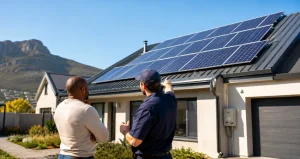
South Africa’s rising electricity costs and ongoing concerns about reliable power supply have encouraged many households and businesses to explore solar energy. For many property owners, the biggest question is not whether solar technology works, but whether the money spent on installation will actually deliver meaningful savings compared to continuing with an Eskom electricity bill.
Solar installation requires a significant upfront investment, including solar panels, an inverter, batteries, installation labour, and system design. However, the long-term financial benefits can make solar an attractive option when the system is correctly sized and properly maintained. Understanding the relationship between solar installation costs and Eskom bill savings is essential before making a decision.
This guide examines the real costs of installing solar in South Africa, how much households can potentially save, what factors influence the return on investment, and how homeowners can determine whether switching to solar energy makes financial sense for their situation.
Understanding Solar Installation Costs in South Africa
The cost of a solar system in South Africa depends on several factors, including household electricity usage, roof space, equipment quality, and whether battery storage is included. A basic grid-tied solar system without batteries is usually more affordable, while a complete backup system with batteries requires a larger investment.
A typical residential solar installation can range from a smaller system designed to reduce daytime electricity consumption to a larger setup capable of powering most household appliances during power interruptions. The final price is influenced by the number of solar panels, inverter capacity, battery size, installation complexity, and the quality of components selected.
Many homeowners make the mistake of focusing only on the purchase price. A cheaper system may provide lower performance, shorter equipment lifespan, or limited support. A properly designed solar solution should be viewed as a long-term energy asset rather than simply an expense.
How Eskom Electricity Bills Compare With Solar Savings?
The main financial advantage of solar energy comes from reducing dependence on purchased electricity. Every unit of electricity generated by a solar system is electricity that does not need to be bought from Eskom or another electricity provider.
Solar savings are usually highest during daylight hours because solar panels generate power when the sun is available. Homes with high daytime electricity consumption, such as households using pool pumps, geysers, air conditioners, or home offices, can often achieve greater savings because more solar energy is used directly.
The amount saved on an Eskom bill varies depending on electricity usage patterns, local tariffs, system size, and solar production levels. A well-designed system can significantly reduce monthly electricity expenses, but savings should be calculated based on realistic energy consumption rather than general estimates.
The Long-Term Financial Value of Installing Solar
Solar panels typically have a long operational lifespan, often continuing to produce electricity for decades with gradual efficiency reduction. This means the initial installation cost can be spread across many years of electricity savings.
Unlike traditional electricity costs, which may increase over time due to tariff adjustments, solar users can generate a portion of their own electricity. This provides more control over future energy expenses and can improve household financial planning.
From practical experience, homeowners who carefully analyse their electricity usage before installation usually achieve better results than those who simply purchase the largest available system. The goal should not be maximum equipment capacity but the right balance between installation cost and expected energy savings.
Solar Panels, Batteries, and Their Impact on Savings
Solar panels generate electricity during sunlight hours, but batteries store unused energy for later use. Battery storage can provide additional benefits by allowing households to use solar power during evenings, nights, or electricity interruptions.
However, batteries also increase the overall installation cost. For some households, a grid-tied system without batteries may provide the best financial return because the lower upfront investment allows savings to begin sooner. For others, especially those needing backup power, batteries may justify the additional expense.
The decision depends on individual priorities. A homeowner focused mainly on reducing monthly electricity costs may choose a different system compared to someone who wants energy independence during outages.
Factors That Affect Solar Return on Investment in South Africa
Several important factors determine how quickly a solar installation can recover its cost through savings. Location is one of the biggest influences because solar production depends on available sunlight throughout the year. Most parts of South Africa receive strong solar radiation, making the country suitable for solar energy generation.
Electricity consumption habits also play a major role. A household that uses most electricity in the evening may save less from a simple solar system unless battery storage is included. On the other hand, households that shift energy-intensive activities to daytime hours can increase their solar usage.
System maintenance, equipment quality, and professional installation also affect long-term performance. Regular checks, proper installation, and reliable components help ensure the system continues producing electricity efficiently.
Is Solar Worth It Compared to Paying Eskom Bills?
For many South African households, solar can be a worthwhile investment when the system is planned correctly. The decision should be based on personal financial circumstances, electricity usage, property conditions, and long-term goals.
Solar does not eliminate every electricity cost. Homes may still require grid electricity during periods of low sunlight or when energy demand exceeds solar production. However, reducing monthly electricity dependence can provide substantial financial benefits over time.
The most successful solar installations are those designed around actual household needs. A professional assessment of electricity consumption, roof conditions, and future energy requirements can help homeowners avoid unnecessary spending and maximise savings.
Frequently Asked Questions About Solar Costs and Eskom Savings
1. How much does a solar installation cost in South Africa?
The cost varies depending on system size, equipment quality, and whether batteries are included. Smaller residential systems may require a lower investment, while larger backup systems with battery storage can cost significantly more. The best approach is to calculate the system based on actual electricity needs rather than choosing a standard package.
2. How much can solar reduce my Eskom electricity bill?
The reduction depends on how much electricity the solar system produces and how much of that energy is used directly by the household. Some homes may reduce their electricity costs substantially, while others may see smaller savings due to limited daytime usage or insufficient system capacity.
3. How long does it take for solar to pay for itself?
The payback period depends on installation cost, electricity tariffs, system performance, and household consumption. Homes with high electricity usage and efficient solar systems may recover their investment faster than homes with lower energy demand.
4. Do solar panels work during cloudy weather?
Solar panels can still generate electricity during cloudy conditions, although production may be lower compared to bright sunny days. South Africa’s generally favourable climate allows solar systems to perform effectively throughout much of the year.
5. Is battery storage necessary for a solar system?
No, batteries are not always required. A grid-tied solar system can reduce electricity costs by supplying power during daylight hours. Batteries are mainly useful for storing energy for later use and providing backup during electricity interruptions.
6. Will solar completely remove my Eskom bill?
In most cases, solar will reduce rather than completely eliminate electricity costs. The result depends on system size, household consumption, and whether battery storage is available. Some homes may still need grid electricity at certain times.
7. How long do solar panels last?
Quality solar panels are designed for long-term use and can continue generating electricity for many years. Their output gradually decreases over time, but proper installation and maintenance can help extend their useful life.
8. Does installing solar increase property value?
A professionally installed solar system can make a property more attractive to buyers because lower electricity expenses and backup power availability are valuable features. The impact on property value depends on the local market and the quality of the installation.
9. Can I install solar myself to save money?
While some components may appear simple, solar installation requires electrical knowledge, correct system sizing, and safety considerations. Professional installation helps ensure compliance, reliability, and better long-term performance.
10. What should I check before buying a solar system?
Before investing, homeowners should review their electricity usage history, compare equipment options, understand warranties, check installer experience, and request a detailed calculation of expected savings. Proper planning is one of the most important steps in achieving good results.
Conclusion
Solar installation in South Africa can provide significant financial benefits when compared with relying entirely on Eskom electricity. Although the upfront cost may seem high, long-term savings, energy control, and reduced dependence on rising electricity prices make solar an attractive option for many households.
The key to success is choosing the right system based on real energy needs, not simply purchasing the biggest available solution. With careful planning and professional installation, solar energy can become a practical investment that delivers value for many years.