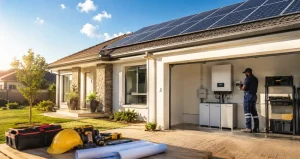
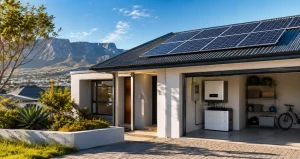
Solar energy has become an important consideration for many South African homeowners who want greater control over their electricity costs and energy usage. With increasing interest in renewable energy solutions, many people are searching for ways to compare solar options without paying upfront fees. Getting free solar quotes is one of the easiest ways to understand what type of system suits your home, what equipment you need, and what your expected investment may look like.
However, choosing a solar system is not only about finding the lowest price. A good solar quote should help you understand your electricity consumption, roof suitability, inverter options, battery requirements, installation quality, and long-term value. In South Africa, factors such as municipal requirements, load patterns, and local weather conditions can influence the right solar solution for each property.
This guide explains how to get free solar quotes in South Africa step-by-step, what information you need before requesting quotes, how to compare different offers, and how to avoid common mistakes when selecting a solar provider.
Why Getting Free Solar Quotes Is Important Before Installing Solar
A solar installation is a long-term investment, and every home has different energy needs. A small household with basic electricity usage may require a different system compared to a large family home with appliances such as geysers, pool pumps, air conditioners, and electric vehicles.
Free solar quotes allow homeowners to compare different system designs and understand the available options before making a decision. A professional quotation normally considers your electricity bills, roof size, sunlight exposure, preferred backup capacity, and budget.
Instead of choosing equipment based only on online advertisements or recommendations from friends, collecting multiple quotes gives you a clearer picture of the market and helps you make an informed choice.
Step 1: Understand Your Home’s Solar Requirements
Before requesting solar quotes, start by understanding your current electricity usage. Review your recent electricity bills and note your average monthly consumption. This information helps solar installers design a system that matches your actual needs.
You should consider questions such as:
- How much electricity does your home use every month?
- Do you want solar mainly to reduce electricity costs?
- Do you need backup power during outages?
- Which appliances must continue running during power interruptions?
- Do you want a battery storage system?
A solar system with only panels and an inverter may reduce electricity usage but will not necessarily provide backup power during grid failures. Hybrid systems with batteries are generally designed for households that need stored energy during outages.
Step 2: Prepare Information Before Requesting Solar Quotes
Providing accurate information helps installers create more realistic quotations. Before contacting solar companies, prepare details about your property and electricity usage.
Most installers will need:
- Your location and suburb in South Africa
- Your latest electricity bills
- Roof type and available roof space
- Information about existing electrical equipment
- Your preferred solar goals and budget
Some companies may request photos of your roof, electrical distribution board, and existing meter setup. These details allow installers to estimate the complexity of the installation before conducting a physical assessment.
Step 3: Find Reliable Solar Companies Offering Free Quotes
South Africa has many solar providers offering free assessments and quotations. When searching for companies, focus on experience, customer reviews, certifications, installation quality, and after-sales support rather than choosing only the cheapest option.
A reliable solar provider should clearly explain the system design, equipment brands, warranty information, installation process, and maintenance requirements. Many professional installers provide detailed quotations that separate panels, inverter, batteries, mounting equipment, labour, and additional electrical work.
You can request quotes from multiple companies to compare different approaches. Ideally, collect at least three quotations before making a final decision.
Step 4: Request Your Free Solar Quotes
Once you identify potential installers, contact them and request a free solar assessment. Many companies offer online forms where homeowners can submit basic information and receive an initial consultation.
During this process, provide honest details about your electricity usage and expectations. A quote created without proper information may look attractive but may not provide the performance you expect after installation.
A quality solar quotation should include:
- Solar panel quantity and specifications
- Inverter brand and capacity
- Battery size if included
- Mounting structure details
- Installation costs
- Warranty information
- Estimated installation timeline
Step 5: Compare Solar Quotes Carefully
Comparing solar quotes is not simply about selecting the cheapest offer. Two quotations with similar prices may include completely different equipment quality and service levels.
Pay attention to the following areas:
Solar Panel Quality
Solar panels are one of the most important parts of your system. Check the panel brand, efficiency rating, warranty period, and expected performance.
Inverter Selection
The inverter converts solar energy into usable electricity for your home. A suitable inverter should match your energy requirements and support your future needs if you plan to add batteries or more solar panels later.
Battery Storage Options
If backup power is important, compare battery capacity, lifespan, warranty coverage, and compatibility with the inverter.
Installation Standards
A professional installation affects system safety and long-term performance. Ask whether the installer provides electrical certification and follows required safety standards.
Step 6: Check Solar Installation Requirements In South Africa
Solar installation requirements can vary depending on your municipality. Many grid-connected systems require registration or approval processes, especially when connecting renewable energy systems to local electricity networks.
Your installer should explain whether your municipality requires additional documentation, approvals, or inspections before the system becomes operational.
Always confirm that your installer provides proper electrical certification after completing the installation. This documentation can also be important for insurance purposes.
Common Mistakes To Avoid When Getting Solar Quotes
Many homeowners make decisions too quickly because they focus only on immediate costs. Avoid these common mistakes:
- Choosing the cheapest quote without checking equipment quality
- Ignoring warranty details
- Installing a system that is too small for future needs
- Not checking installer experience
- Failing to understand battery limitations
- Not asking about maintenance and support
A good solar investment should provide reliable performance for many years, so quality and professional installation are important considerations.
How Much Information Should A Solar Quote Include?
A detailed solar quote should help you understand exactly what you are paying for. Avoid accepting vague quotations that only mention a total price without explaining the equipment included.
A transparent quotation should clearly list each major component and explain why the recommended system size matches your electricity needs. This makes it easier to compare different providers fairly.
Frequently Asked Questions About Free Solar Quotes In South Africa
1. Are free solar quotes really free in South Africa?
Yes, many solar companies provide free quotations as part of their customer consultation process. However, homeowners should understand what is included in the free service. Some companies provide only an initial estimate, while others offer a detailed assessment after reviewing electricity usage and property information.
2. How many solar quotes should I get before choosing an installer?
Most homeowners should compare at least three different solar quotes. Multiple quotations help you understand pricing differences, equipment options, installation methods, and service quality. Comparing several providers also helps identify unrealistic offers that may exclude important costs.
3. What information do I need to get a solar quote?
You usually need basic property information, electricity bills, your location, and details about your energy requirements. Providing accurate information helps installers recommend a properly sized system instead of an estimate based on assumptions.
4. Can I get a solar quote without a site visit?
Some companies can provide an initial estimate online using information such as electricity usage and roof details. However, a physical site assessment is often recommended before installation because roof condition, shading, wiring, and electrical requirements can affect the final system design.
5. Does the cheapest solar quote offer the best value?
No. The lowest-priced quotation may use lower-quality equipment or exclude important services. A better approach is to compare equipment quality, warranties, installation experience, and long-term support alongside the total cost.
6. Do solar quotes include batteries in South Africa?
Not always. Some quotations are designed only for reducing electricity consumption, while others include battery storage for backup power. Always confirm whether batteries are included and understand how much backup capacity the proposed battery can provide.
7. How long does it take to install a residential solar system?
The physical installation of a residential solar system may take a few days, but the complete process can take longer depending on system size, approvals, equipment availability, and installer scheduling.
8. Should I choose a local solar installer?
A local installer can provide advantages such as easier communication, faster support, and better knowledge of regional requirements. However, experience, reputation, and technical quality should remain the main factors when selecting a provider.
9. Can solar reduce my electricity costs?
Yes, solar panels can reduce dependence on traditional electricity sources by generating power from sunlight. The actual savings depend on your system size, electricity usage habits, sunlight availability, and how effectively you use the generated energy.
10. What should I check before signing a solar installation agreement?
Before signing, review the complete quotation, equipment specifications, warranty details, payment terms, installation timeline, and responsibilities of both parties. Make sure everything discussed with the installer is included in writing.
Conclusion
Getting free solar quotes in South Africa is a practical first step toward understanding your solar options. By comparing multiple providers, reviewing system details, and focusing on quality rather than price alone, homeowners can make better decisions about renewable energy investments.
A carefully planned solar system can help improve energy independence, manage electricity expenses, and provide a reliable long-term solution when designed according to your household’s real needs.