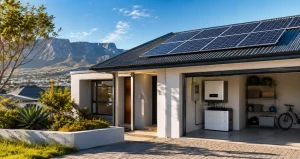
South Africa has seen a major increase in interest in home solar battery backup systems as households look for more reliable electricity solutions. Frequent power interruptions, rising electricity costs, and the desire for greater energy independence have encouraged many homeowners to explore solar storage options. A solar battery backup system allows a home to store excess solar energy during the day and use it when sunlight is unavailable or when grid power is interrupted.
The average cost of a home solar battery backup in South Africa depends on several factors, including battery capacity, inverter type, installation requirements, and whether the system includes solar panels. For most residential properties, a basic battery backup solution can start from around R35,000, while a complete solar system with battery storage can range from approximately R100,000 to well over R200,000 depending on household energy needs.
Choosing the right solar battery is not simply about buying the largest capacity available. A well-designed system should match your daily electricity usage, essential appliances, budget, and long-term energy goals. This guide explains the real costs involved, what affects pricing, and how South African homeowners can make an informed decision.
What Is A Home Solar Battery Backup System?
A home solar battery backup system stores electricity generated from solar panels so that it can be used later. During daylight hours, solar panels produce energy that can power household appliances while also charging the battery. When solar production decreases at night or during a power outage, stored energy is supplied back to the home through an inverter.
A typical residential solar battery setup includes a lithium battery, hybrid inverter, electrical protection equipment, wiring, and professional installation. Some homeowners install only a battery and inverter for backup purposes, while others choose a complete solar solution that combines panels, battery storage, and energy management features.
Average Solar Battery Backup Cost In South Africa
The average cost of a home solar battery backup system in South Africa varies mainly according to storage capacity. Smaller systems are designed to keep essential appliances running, while larger systems can support most household electricity needs for longer periods.
A general price guide for residential solar batteries is:
- 5kWh lithium battery: Approximately R25,000 to R40,000
- 10kWh lithium battery: Approximately R50,000 to R80,000
- 20kWh battery system: Approximately R100,000 to R160,000 or more
These figures usually represent battery costs only. Installation, inverter compatibility, electrical upgrades, and additional components can increase the final project cost.
Typical Complete Solar Battery Backup System Prices
Many homeowners prefer a complete hybrid solar system rather than purchasing a standalone battery. A complete system combines solar panels, inverter technology, and battery storage to reduce dependence on the electricity grid.
Common residential system ranges in South Africa include:
- Small backup system: Around R70,000 to R100,000
- Medium home system with battery storage: Around R110,000 to R160,000
- Larger household solar system: R180,000 and above
The final price depends on the size of the inverter, number of solar panels, battery capacity, installation complexity, and equipment quality. A typical 5kW solar system with battery storage is one of the most popular choices for average family homes.
Factors That Influence Solar Battery Backup Prices
Several important factors determine how much you will pay for a solar battery backup system. Understanding these factors helps homeowners avoid choosing a system that is either too small or unnecessarily expensive.
Battery Capacity
Battery capacity is measured in kilowatt-hours (kWh). A larger battery stores more energy and can power appliances for longer periods. However, increasing storage capacity is one of the biggest factors affecting the overall cost.
Battery Technology
Most modern residential systems use lithium-ion batteries, especially lithium iron phosphate (LiFePO4) batteries. They are popular because they offer longer lifespans, better charging efficiency, and improved safety compared with older battery technologies.
Inverter Quality
The inverter is responsible for converting stored battery energy into usable electricity for your home. A high-quality hybrid inverter improves system performance and allows better integration between solar panels, batteries, and household appliances.
Installation Requirements
Installation costs can vary depending on your home’s electrical setup, roof structure, wiring requirements, and location. Professional installation is important because incorrect installation can reduce efficiency and create safety risks.
How Much Battery Capacity Does A South African Home Need?
The correct battery size depends on your electricity consumption habits. A small household that mainly needs backup for lights, Wi-Fi, security systems, and a refrigerator may require a smaller battery.
A larger family home with appliances such as a television, computers, kitchen equipment, pool pump, or additional cooling systems may need significantly more storage capacity.
The best approach is to review your electricity bills and identify which appliances must continue operating during outages. Many homeowners achieve better value by backing up essential circuits instead of trying to power every appliance in the house.
Is A Solar Battery Backup Worth The Investment In South Africa?
A solar battery backup system requires a significant upfront investment, but many homeowners consider it worthwhile because it provides energy security and reduces reliance on traditional electricity sources.
The financial benefit depends on electricity consumption, system size, equipment lifespan, and how effectively the system is used. Homes that consume more electricity during expensive peak periods may benefit more from solar storage.
Beyond financial savings, many homeowners value the convenience of having reliable electricity for important household functions such as internet connectivity, security systems, refrigeration, and essential lighting.
Common Mistakes To Avoid When Buying A Solar Battery Backup
One common mistake is buying a battery based only on price. A cheaper system may not provide the expected performance or may have limited warranty support. Quality components and proper system design are important for long-term reliability.
Another mistake is choosing a battery that is too small for your actual needs. Although a smaller system may reduce the initial cost, it may leave you without enough backup power when you need it most.
Homeowners should also compare installation quotes carefully and check whether the package includes warranties, monitoring systems, electrical compliance certification, and after-sales support.
Frequently Asked Questions About Solar Battery Backup Costs In South Africa
1. What is the average cost of a solar battery backup system in South Africa?
The average cost depends on the size and features of the system. A small battery backup setup may cost around R35,000 to R70,000, while a complete solar system with battery storage commonly ranges from R100,000 to R200,000 or more. The final price depends on battery capacity, inverter quality, and installation requirements.
2. How much does a 5kWh solar battery cost in South Africa?
A 5kWh lithium solar battery generally costs between R25,000 and R40,000 before installation. It is usually suitable for smaller homes or households that need backup power for essential appliances such as lights, routers, televisions, and refrigeration.
3. How long can a solar battery power a home during an outage?
The backup duration depends on battery size and household electricity usage. A 5kWh battery may provide several hours of power for essential appliances, while larger 10kWh or 20kWh systems can support homes for much longer periods when energy consumption is managed properly.
4. Are lithium batteries the best option for home solar systems?
Lithium batteries are currently the preferred choice for many residential solar installations because they offer better efficiency, longer lifespan, and faster charging compared with older battery technologies. They usually have a higher upfront cost but provide better long-term performance.
5. Can I install a solar battery without solar panels?
Yes, some homeowners install battery backup systems with an inverter without solar panels. This setup can provide backup electricity, but adding solar panels allows the battery to recharge using renewable energy and can improve long-term energy independence.
6. What size solar battery does an average South African home need?
Many average households choose battery systems between 5kWh and 10kWh. However, the ideal size depends on daily electricity usage, the number of appliances requiring backup, and whether the homeowner wants basic outage protection or broader energy independence.
7. Does installing a solar battery reduce electricity bills?
A solar battery can help reduce electricity costs when combined with solar panels because stored solar energy can replace electricity that would otherwise be purchased from the grid. The amount saved depends on system design and household consumption patterns.
8. How long do solar batteries last in South Africa?
Modern lithium solar batteries often last many years when properly installed and maintained. Their lifespan depends on usage cycles, operating conditions, temperature, and battery quality. Many manufacturers provide warranties based on years of operation or energy throughput.
9. What should I check before buying a solar battery backup system?
Before purchasing, check battery capacity, warranty terms, inverter compatibility, installation quality, monitoring features, and whether the installer provides proper documentation. Comparing multiple professional quotes can help you find a reliable solution.
10. Is a solar battery backup better than a generator?
Solar battery systems provide silent operation, lower maintenance requirements, and the ability to store renewable energy. Generators may still have uses in certain situations, but many households prefer solar storage because it offers both backup power and potential energy savings over time.
Conclusion
The average cost of a home solar battery backup in South Africa depends on your energy requirements, battery size, equipment quality, and installation complexity. While the initial investment can be substantial, a properly designed system can provide reliable backup power, improve energy independence, and support long-term household energy management.
For most South African homeowners, the best approach is not choosing the cheapest option but selecting a system that matches real electricity needs. A professional assessment and careful comparison of components can help ensure that your solar battery investment delivers dependable performance for many years.