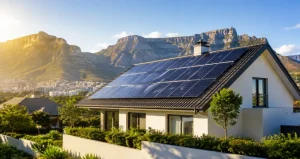
In 2026, a professionally installed residential solar system in South Africa can cost from about R65,000 for a small setup to R250,000 or more for a large hybrid system with substantial battery storage. For many households, a realistic budget is around R110,000 to R180,000 once panels, a hybrid inverter, lithium batteries, mounting hardware, labour and compliance work are included.
The headline “5kW system” price can be misleading because two 5kW packages may contain very different panel arrays and battery capacities. The most useful way to budget is to start with daily electricity use, the appliances you want backed up and the night-time storage you need.
Average Solar System Prices In South Africa In 2026
Current 2026 market pricing places most professionally installed residential systems in the following ranges. Battery size, equipment brand, roof type and electrical work can change the final price.
| System Size | Typical Installed Price | Suitable For |
|---|---|---|
| 3kW | R65,000 – R90,000 | Small homes and essential loads |
| 5kW | R110,000 – R160,000 | Average family homes |
| 8kW | R160,000 – R220,000 | Larger homes and heavier loads |
| 10kW–12kW | R200,000 – R350,000+ | High-consumption or large properties |
What Is Included In A Complete Solar Installation?
A complete system normally includes PV panels, an inverter, batteries, mounting equipment, electrical protection, cabling, isolators, distribution-board integration, monitoring, labour, testing and commissioning. A compliant installation should also include the required electrical Certificate of Compliance. Ask installers to list every major component by brand, model, quantity, capacity and warranty.
Solar Panel Prices In 2026
Individual panels commonly sell for roughly R1,350 to R2,700, depending on wattage, technology and brand. Current retail examples for panels in the 480W to 600W class sit around R1,500 to R2,600 each. A 5kW-class array will often use about nine to eleven modern high-wattage panels, although designers may oversize the array to improve daily production.
How Much Does A Solar Inverter Cost?
A quality 5kW hybrid inverter generally costs in the lower tens of thousands of rand, with established models often around R15,000 or more before installation. Larger 8kW and three-phase units cost more. Compare battery compatibility, surge capability, monitoring, warranty support and whether the inverter is acceptable to your electricity supplier instead of choosing on price alone.
Solar Battery Prices In South Africa
Battery storage is often the biggest reason similar quotes have different totals. A 5kWh lithium battery can add roughly R25,000 to R40,000, while around 10kWh of storage may add about R50,000 to R65,000 or more. Homes focused mainly on daytime savings may need less storage, while households wanting meaningful evening backup usually need more.
Installation, Wiring And Compliance Costs
Installation covers far more than placing panels on a roof. It can include rails, breakers, surge protection, isolators, earthing, cable runs, distribution-board changes and certification. Panel-only installation is often quoted around R10,000 to R15,000, while complex hybrid work can cost considerably more. Tiled roofs, long cable runs and an ageing distribution board can increase the quotation.
Grid-Tied, Hybrid And Off-Grid Price Differences
A grid-tied system without batteries is normally the cheapest because it targets daytime electricity savings. A hybrid system costs more but provides storage and backup. A true off-grid setup is usually the most expensive because it must carry the property through nights and poor-weather periods without relying on the grid. For many urban homes, a hybrid system offers the most balanced approach.
What Size Solar System Does A South African Home Need?
A 5kW inverter is a common starting point, but correct sizing should come from consumption data. Review several months of electricity bills and identify heavy appliances such as geysers, ovens, pool pumps and air conditioners. A 5kW PV array can often produce roughly 20 to 25kWh on a strong solar day, but real output changes with location, season, shading, roof direction and system losses.
Do Solar Systems Still Make Financial Sense In 2026?
NERSA approved an average 8.76% electricity increase for Eskom direct customers from 1 April 2026, while municipal bulk increases averaged 9.01% from 1 July 2026. Solar can therefore reduce exposure to rising electricity costs, but the strongest savings usually come from using solar energy directly during the day. Very large batteries improve flexibility but also increase upfront cost.
Registration And Legal Requirements
Homeowners should confirm the rules of their electricity supplier before installation. Eskom requires qualifying small-scale embedded generation systems to be registered, while municipal customers follow local processes. Eskom extended its registration-fee waiver for qualifying systems up to 50kW until 30 September 2026. Municipal rules differ, and Cape Town, for example, requires authorisation for relevant SSEG installations.
Is There A Residential Solar Tax Rebate In 2026?
The former individual residential solar PV rebate does not apply to new 2026 installations. It covered qualifying panels brought into use between 1 March 2023 and 29 February 2024 and allowed eligible taxpayers to claim 25% of qualifying panel costs, capped at R15,000. A 2026 household budget should therefore not assume that this old incentive is available.
How To Compare Solar Quotes Properly?
Get at least three itemised quotations. Compare panel wattage, inverter model, usable battery capacity, warranties, protection equipment, installation scope and compliance documentation. Ask whether VAT, registration assistance, monitoring setup and distribution-board work are included. A low headline price is poor value if essential electrical work or after-sales support is excluded.
FAQ About Solar System Costs In South Africa
1. How much does a 5kW solar system cost in South Africa in 2026?
A professionally installed 5kW hybrid system commonly costs around R110,000 to R160,000. Smaller batteries can reduce the total, while 10kWh of storage, premium equipment or difficult installation conditions can push the price higher. Compare the complete parts list, not only the inverter size.
2. How much does an 8kW solar system cost?
A typical 8kW hybrid installation can cost about R160,000 to R220,000. Battery capacity, panel count and electrical complexity have the greatest influence. Homes with multiple high-power appliances may also need extra distribution-board or wiring work.
3. Can I install solar for under R100,000?
Yes. Small 3kW systems and limited 5kW configurations can fit below R100,000, especially with modest storage. The trade-off may be shorter backup time or fewer appliances running together, so the system should still be sized around your essential loads.
4. Is a 5kWh battery enough for a home?
A 5kWh battery can cover essential evening loads in many homes, including lighting, refrigeration, internet equipment and selected plugs. It is less suitable for long periods of electric heating or several heavy appliances at once. Calculate expected night-time kWh use before deciding.
5. Should I buy more panels or a bigger battery first?
If lowering electricity purchases is the main goal, useful daytime solar generation often deserves priority. If evening backup matters most, storage becomes more important. The right choice depends on when your household consumes energy rather than its monthly total alone.
6. How long does a solar system take to pay for itself?
Payback varies with electricity tariffs, system cost, financing and how much generated energy you use yourself. A system replacing significant daytime grid consumption usually performs more strongly financially than an oversized installation with surplus generation that is not used.
7. Does solar completely remove the electricity bill?
Not necessarily. Grid-connected households may still pay fixed service or network charges and may buy electricity at night, during cloudy weather or when demand exceeds the system. Any claim of a guaranteed zero bill should be treated cautiously.
8. Does roof type change the price?
Yes. Steep, tiled or complex roofs can require more specialised mounting and labour than straightforward metal roofs. Shading, cable distance, roof condition and access also affect installation time and materials, which is why a site inspection is valuable.
9. What should I check before paying an installer?
Request an itemised proposal, equipment datasheets, warranties, payment terms and the name of the person responsible for electrical certification. Confirm who handles required registration and whether the specified inverter is acceptable to the relevant electricity supplier.
10. What solar size suits an average household?
For many medium-consumption homes, a 5kW hybrid inverter with a suitable panel array and around 5kWh to 10kWh of lithium storage is a sensible starting point. Homes with geysers, pools, air conditioning or three-phase supply may need a larger design.
Conclusion
In South Africa in 2026, a realistic residential solar budget starts around R65,000 and can exceed R250,000, while many 5kW hybrid systems fall near R110,000 to R160,000.
The most cost-effective system is the one matched to your actual energy profile. Measure consumption, decide which loads need backup, compare itemised quotes and include compliance costs from the start.