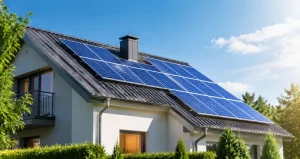
Solar energy has become an important solution for many South African households looking for reliable electricity and better control over rising energy costs. However, the biggest challenge for many homeowners is the upfront price of installing solar panels, batteries, and inverters. A complete solar system can require a significant investment, making many people wonder whether it is possible to switch to solar without paying a large amount of money upfront.
The good news is that South Africans now have several financing options that can make solar energy more accessible without requiring a traditional deposit. These options include solar loans, rent-to-own agreements, energy finance solutions, and specialised payment plans offered by solar companies and financial institutions. The exact terms depend on your financial situation, property ownership, and the provider you choose.
This guide explains how no-deposit solar financing works in South Africa, what options are available, what homeowners should consider before signing an agreement, and how to choose a financing method that matches your long-term energy goals.
Can You Get Solar Panels In South Africa Without A Deposit?
Yes, it is possible to install solar panels in South Africa without paying a traditional upfront deposit, but it does not mean the solar system is free. Instead of paying a large initial amount, homeowners usually repay the cost through monthly payments, rental agreements, or financing arrangements.
No-deposit solar financing works by moving the cost of installation into a structured payment plan. A finance provider, solar company, or energy partner covers the installation cost, and the homeowner pays back the amount over an agreed period.
Many people choose this approach because they can start benefiting from solar electricity immediately while spreading the cost over several years. However, it is important to compare the total repayment amount, interest rates, maintenance responsibilities, and ownership terms before making a decision.
Why More South Africans Are Looking For Solar Finance Options?
South Africa has experienced growing interest in residential solar systems because homeowners want more energy independence and protection from electricity challenges. Solar panels combined with battery storage can help households maintain essential power supply during interruptions while reducing dependence on traditional electricity sources.
The financial benefit of solar comes from replacing some electricity expenses with a planned monthly solar payment. Instead of only paying an electricity bill that increases over time, homeowners can invest in an energy system that may continue providing value after the finance period ends.
However, solar should be viewed as a long-term household improvement rather than a quick cost-saving solution. The right system size, quality installation, and suitable financing structure all play important roles in achieving good results.
Popular Ways To Finance Solar Panels With No Deposit In South Africa
1. Rent-To-Own Solar Systems
Rent-to-own solar is one of the most popular no-deposit options available in South Africa. With this model, a solar provider installs the system at your home, and you pay a fixed monthly amount for using the equipment.
Over time, depending on the agreement, you may gain ownership of the system after completing the payment period. Some providers offer flexible rental terms designed for homeowners who prefer not to pay a large upfront amount.
This option can be attractive because installation happens without requiring significant savings beforehand. However, homeowners should carefully review contract conditions, including ownership transfer, maintenance costs, insurance requirements, and early cancellation rules.
2. Solar Loans From Banks And Financial Institutions
Many South African banks provide financing solutions for renewable energy upgrades. These loans allow homeowners to borrow money for solar installations and repay the amount through monthly instalments.
Solar loans may cover equipment such as solar panels, inverters, batteries, and installation costs. Some financial institutions offer specialised energy loans, while others allow homeowners to use existing lending facilities such as home loan extensions or additional finance options.
The advantage of bank financing is that homeowners may have clearer repayment structures and ownership of the solar system from the beginning. The disadvantage is that approval usually depends on income, credit history, and affordability assessments.
3. Solar Power Purchase Agreements (PPAs)
A Power Purchase Agreement is another financing method mainly used for larger properties and commercial projects, but some energy providers also offer similar models for smaller installations.
With a PPA, a third-party company installs and manages the solar system. The customer pays for the electricity generated instead of purchasing the equipment directly. This removes the need for major upfront capital investment.
This model can reduce the complexity of owning and maintaining a solar system, but customers should understand the agreement length, electricity pricing structure, and responsibilities of each party.
Requirements For No Deposit Solar Financing In South Africa
Although no-deposit solar options reduce upfront costs, providers still need to assess whether an applicant can manage monthly repayments. Requirements vary, but common documents may include proof of income, identification documents, proof of address, and a solar quotation from an approved installer.
Property ownership is often an important factor because solar equipment is permanently installed on the property. Some providers may also require homeowners insurance coverage for the completed installation.
Before applying, homeowners should prepare financial documents and understand their monthly budget. A solar payment should fit comfortably alongside existing household expenses.
How Much Does A Solar System Cost In South Africa?
The cost of solar panels in South Africa depends on several factors, including electricity usage, property size, equipment quality, battery capacity, and installation requirements.
A small backup system may cost significantly less than a complete household energy solution with large battery storage. Many homeowners choose hybrid systems because they provide solar generation during the day and stored energy when sunlight is unavailable.
Instead of focusing only on the installation price, homeowners should calculate the long-term value. A cheaper system may not provide enough capacity, while an oversized system may create unnecessary costs.
Important Factors Before Choosing A Solar Finance Plan
The cheapest monthly payment is not always the best choice. Homeowners should examine the complete agreement and understand what they are paying for.
Important questions include whether the equipment belongs to you immediately, who handles repairs, how long the agreement lasts, whether payments increase over time, and what happens if you sell your property.
It is also important to choose a reputable solar installer. Proper installation affects system performance, safety, and long-term reliability.
Practical Tips To Reduce Solar Financing Costs
Before signing a solar finance agreement, compare multiple quotes from qualified installers. Different providers may offer different equipment brands, payment structures, and warranty conditions.
Reducing unnecessary energy consumption can also help. A professional energy assessment can identify which appliances use the most electricity and help determine the correct solar system size.
Homeowners should also consider future energy needs. A system that works today may not be suitable if your electricity usage increases later due to home improvements or additional appliances.
Frequently Asked Questions About Financing Solar Panels In South Africa
1. Is it really possible to get solar panels with no deposit in South Africa?
Yes, some companies and financing providers offer solar solutions without a traditional upfront deposit. Instead of paying immediately, customers repay through monthly finance agreements, rental payments, or other structured plans. However, approval depends on financial eligibility and the specific provider’s requirements.
2. Do I own the solar panels if I choose no-deposit financing?
Ownership depends on the type of agreement. With a solar loan, you generally own the system after purchase. With rent-to-own arrangements, ownership may transfer after completing the payment period. With other agreements, the provider may remain the owner for the duration of the contract.
3. Can tenants install solar panels without paying a deposit?
It can be more complicated for tenants because permanent solar installations usually require property owner approval. Some portable backup solutions may be suitable for renters, but large rooftop systems normally involve the homeowner or landlord.
4. Do I need a good credit score for solar finance?
Most finance providers evaluate affordability, income, and credit history before approving applications. A stronger financial profile may improve your chances of receiving favourable terms, but requirements differ between providers.
5. Is solar cheaper than paying electricity bills in South Africa?
Solar can reduce electricity costs over time, but the savings depend on system size, household usage, equipment quality, and financing costs. A properly designed system can provide long-term financial benefits, especially when electricity prices continue changing.
6. What happens if my solar finance agreement ends?
The outcome depends on the contract. Some agreements result in full ownership of the equipment, while others may require renewal, system purchase, or another arrangement. Always understand the final ownership terms before signing.
7. Can solar finance include batteries and installation costs?
Many financing solutions can include complete solar packages, including panels, batteries, inverters, and installation. The exact coverage depends on the lender or provider and the approved quotation.
8. How long does solar financing usually take to repay?
Repayment periods vary depending on the provider and agreement structure. Some finance options may allow several years of monthly payments to make the cost easier to manage.
9. Should I choose a cheaper solar system to reduce repayments?
A cheaper system is not always the best choice. The system should match your household electricity needs. Choosing unsuitable equipment may lead to poor performance and additional expenses later.
10. What is the first step to getting no-deposit solar financing?
The first step is understanding your electricity usage and requesting professional quotations from reliable installers. After comparing system designs and finance options, you can choose a solution that fits your budget and energy requirements.
Conclusion
Financing solar panels with no deposit is becoming a practical option for many South African homeowners who want cleaner energy without a large upfront payment. Through options such as rent-to-own agreements, solar loans, and alternative financing models, more people can access solar technology while spreading costs over time.
The most important step is choosing a finance plan that matches your financial situation and working with a trusted installer. A carefully planned solar investment can provide reliable energy, better household control, and long-term value.