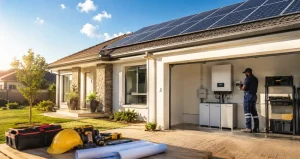
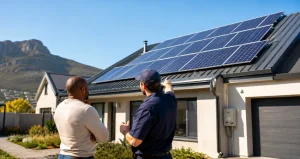
Solar geysers have become one of the most discussed energy saving solutions in South Africa as households look for ways to reduce rising electricity costs. With frequent concerns about power reliability and increasing utility expenses, many homeowners are exploring solar water heating as a practical long term investment rather than just another home upgrade.
The cost of installing a solar geyser in South Africa depends on several factors, including the system size, technology type, installation complexity, household hot water needs, and the quality of components used. While the initial investment can seem high compared to a traditional electric geyser, the potential savings over many years make solar water heating an attractive option for many properties.
This guide explains solar geyser prices in South Africa, expected savings, return on investment, installation considerations, and important factors homeowners should understand before making a decision.
What Is A Solar Geyser And How Does It Work?
A solar geyser is a water heating system that uses energy from the sun to heat water for household use. Unlike conventional electric geysers that rely entirely on electricity, solar geysers capture solar energy through collectors installed on a roof or another suitable location.
The most common systems in South Africa use either flat plate collectors or evacuated tube collectors. These collectors absorb sunlight and transfer heat to water stored inside an insulated tank. Some systems use direct circulation, while others use a heat transfer fluid to move energy between the collector and the water tank.
Because South Africa receives strong sunlight throughout much of the year, solar geysers can provide significant energy savings, especially in regions with high solar exposure.
Average Solar Geyser Cost In South Africa
The average solar geyser cost in South Africa generally ranges between R15,000 and R40,000 for a complete system, including equipment and installation. However, prices vary depending on the size of the system and the technology selected.
A smaller solar geyser suitable for a household with fewer occupants may cost less, while larger systems designed for bigger families or properties with higher hot water demand can require a higher investment.
Typical price ranges include:
- Small solar geyser systems: Approximately R15,000 to R20,000
- Medium household systems: Approximately R20,000 to R30,000
- Large capacity systems: Approximately R30,000 to R40,000 or more
It is important to remember that choosing the cheapest option is not always the best financial decision. A reliable system with quality components may deliver better performance and fewer maintenance problems over its lifespan.
Factors That Influence Solar Geyser Prices
Several factors determine the final cost of a solar geyser installation in South Africa. Understanding these factors helps homeowners compare quotes more effectively.
System Size And Water Usage
The number of people living in a home directly affects the required geyser size. A small household may only need a compact system, while a larger family may require a bigger storage tank and more powerful collectors.
Type Of Solar Collector
Flat plate collectors are commonly used because they offer reliable performance at a reasonable price. Evacuated tube collectors can provide higher efficiency in certain conditions but may have a higher upfront cost.
Installation Requirements
Installation costs can change depending on roof design, accessibility, plumbing modifications, and whether additional equipment is required. Homes with simple roof structures may have lower installation expenses compared to properties requiring extensive adjustments.
Quality Of Components
The durability of the tank, collectors, valves, insulation, and other parts can influence both the initial price and long term maintenance costs. Investing in reputable equipment can reduce future repair expenses.
How Much Can A Solar Geyser Save In South Africa?
One of the main reasons homeowners consider solar geysers is the potential reduction in electricity consumption. Water heating is one of the largest contributors to household electricity usage, and replacing a traditional electric geyser with a solar alternative can significantly reduce this expense.
Many households can reduce their water heating electricity costs by around 50% to 80%, depending on system performance, household habits, weather conditions, and existing electricity usage patterns.
For example, a family that spends a significant amount each month heating water may recover part of the solar geyser investment through monthly savings. The exact savings will depend on electricity tariffs, hot water consumption, and how efficiently the system is used.
Solar Geyser Return On Investment (ROI)
The return on investment for a solar geyser depends on the installation cost and the amount of electricity saved over time. In many South African homes, the payback period can range from five to ten years, although individual results may differ.
After the system has paid for itself, the ongoing energy savings can provide financial benefits for many additional years. Most quality solar geysers are designed to operate for a decade or longer with proper maintenance.
A homeowner should consider the solar geyser as a long term energy investment rather than a quick cost reduction solution. The biggest financial advantage comes from years of reduced electricity dependence.
Solar Geyser Installation Process In South Africa
A professional solar geyser installation usually begins with an assessment of the property, roof position, hot water requirements, and existing plumbing system.
The installer then selects an appropriate system size and determines the best location for the solar collectors. After installation, the system is tested to ensure proper water flow, insulation, and heating performance.
Choosing an experienced installer is important because incorrect installation can reduce efficiency and create unnecessary maintenance issues.
Maintenance And Lifespan Of Solar Geysers
Solar geysers generally require less maintenance than many people expect. However, regular inspections can help maintain efficiency and extend the lifespan of the system.
Maintenance may include checking connections, inspecting valves, cleaning collectors when necessary, and ensuring insulation remains effective. A well maintained solar geyser can continue providing reliable hot water for many years.
Important Things To Consider Before Buying A Solar Geyser
Before purchasing a solar geyser, homeowners should evaluate their daily hot water needs, available roof space, local climate conditions, and budget. A professional assessment can help avoid selecting a system that is too small or unnecessarily expensive.
It is also worth comparing multiple installation quotes and checking warranty details. A slightly higher upfront investment may provide better performance and reliability over the long term.
Frequently Asked Questions About Solar Geyser Cost In South Africa
1. How much does a solar geyser cost in South Africa?
The cost usually ranges from around R15,000 to R40,000 or more depending on the system size, technology, installation requirements, and equipment quality. Larger homes with higher hot water demand generally require more expensive systems.
2. Is a solar geyser worth installing in South Africa?
For many South African households, a solar geyser can be a worthwhile investment because of the country’s strong sunlight availability and high electricity costs. The value depends on household water usage, installation quality, and how long the property owner plans to use the system.
3. How much electricity can a solar geyser save?
A solar geyser can reduce electricity used for water heating by approximately 50% to 80% in many situations. Actual savings depend on weather conditions, household habits, system efficiency, and electricity prices.
4. How long does a solar geyser last?
A quality solar geyser system can often last 10 years or longer when properly installed and maintained. Some components may require replacement earlier depending on usage and environmental conditions.
5. Does a solar geyser work during cloudy weather?
Solar geysers can still produce heat during cloudy conditions, although performance may be reduced because less sunlight reaches the collectors. Many systems include insulated storage tanks that help maintain hot water availability.
6. What size solar geyser does a family need?
The correct size depends on the number of people in the household and daily hot water consumption. A professional installer can recommend the appropriate tank capacity based on household requirements.
7. Are solar geysers expensive to maintain?
Maintenance costs are generally manageable when compared with the long term electricity savings. Regular inspections and basic servicing can help prevent larger repair expenses in the future.
8. Can a solar geyser increase property value?
Energy efficient features such as solar water heating can make a property more attractive to some buyers because they may reduce future electricity expenses. The impact on property value depends on the local market and buyer preferences.
9. Should I replace my electric geyser with a solar geyser?
Replacing an electric geyser can make sense for homeowners who want to reduce electricity consumption and have suitable installation conditions. A cost comparison based on current energy usage can help determine whether the change is financially beneficial.
10. What should I check before buying a solar geyser?
Before buying, check the system size, warranty coverage, installer experience, component quality, and expected energy savings. Comparing several professional quotes can help you make a more informed decision.
Conclusion
Solar geyser costs in South Africa vary depending on system size, technology, and installation requirements, but the long term energy savings can make them a valuable investment for many households.
With careful planning, quality equipment, and professional installation, a solar geyser can reduce electricity dependence while providing reliable hot water for years.